Is Pay Per Mile Car Insurance Right for Low-Mileage Drivers?

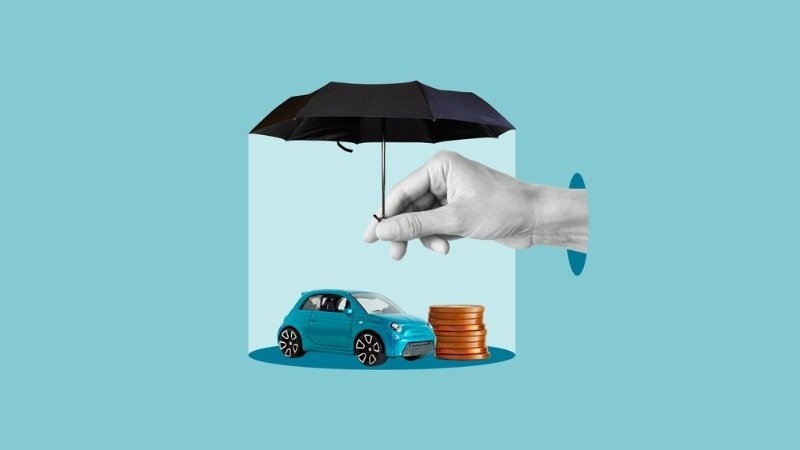
In recent years, the world of car insurance has begun to evolve, with one of the fastest-growing types of coverage being pay-per-mile car insurance. Although an estimated 13,500 miles are driven by the average American each year, the number for some people—whether retired, living in a city, or working from home—is significantly lower than this. In such cases, having to pay the same as an avid driver makes little financial sense.
This is why pay-per-mile car insurance was created: a model that charges a low base rate plus a small fee per mile you drive, rather than a premium based primarily on estimates. As usage-based insurance policies are likely to continue growing in popularity by 2026, many drivers may be wondering whether this type of car insurance is right for their circumstances.
We have taken a detailed look at pay-per-mile car insurance, highlighting the situations it suits, how you could save money with this coverage option, its pros and cons, car insurance for remote workers, how it compares with traditional car insurance policies, and whether pay-per-mile car insurance is worth it for occasional drivers.
What Exactly is Pay-Per-Mile Car Insurance?
Pay-per-mile car insurance is a type of Usage-Based Insurance, which means that you are charged for both the base rate and your mileage:
Insurers track how many miles you drive in a month through a mobile app, plug-in device, or connection in your car. Your total premium is then calculated based on your mileage rather than just estimated driving behavior.
For example, if your insurer charges a premium of $35 plus $0.06 per mile, and you drive 400 miles over a billing cycle, your insurance will cost $35 + $0.06 * 400 = $59.
Those who spend less time driving may find they pay significantly less than under a standard car insurance policy.
How Does Pay-Per-Mile Insurance Work?
The pay-per-mile can work in different ways. The policy can typically be obtained as follows:
Monthly base rate
The fixed portion of the premium accounts for many of the same factors as a traditional car insurance policy, such as the driver's age, car model, driving history, and the chosen level of cover. This price remains consistent month to month.
Mileage tracking
This varies based on how many miles you have driven that month, as well as which method you have used to track them:
Mileage is typically monitored by your insurer using either a connected device in your vehicle, an app on your phone, or a smart dongle. This records how many miles you have driven and automatically calculates the amount you owe for that month.
Monthly billing
The insurer combines the mileage charge and the base rate each month. And form the entire month’s billing.
Who Should Consider Pay-Per-Mile Insurance?

Not all motorists would benefit financially from a policy with these pricing structures, but certain groups are ideally suited:
Remote workers
With many jobs now carried out from home and fewer commuting journeys required, car insurance premiums calculated based on driving estimates may no longer reflect current driving patterns. Low-mileage insurance for car policies should mean you can avoid paying for journeys that you are not undertaking, and as more and more people adopt remote working, pay-per-mile plans will be a suitable option.
Retirees
Retired people tend to use their cars less than working-age people do. Most drivers will use their vehicle for the weekly shop or for appointments, but not for extensive travel. As a result, low-mileage auto insurance would suit those looking to save on their regular motoring.
Urban residents
With efficient public transport available, most people in cities do not need to travel long distances by car on a daily basis, and their vehicles often remain stationary during work hours. Low-mileage auto insurance would then represent good value for money, especially if a second, underused vehicle is owned.
Secondary Vehicles in a Multi-Car Household
It may be worth investigating a low-mileage auto insurance plan for the second car, which has limited usage and thus represents a cost savings compared to a traditional insurance policy on that car.
College students
Students who keep a vehicle at university may also benefit from low-mileage car insurance programs if they do not use their vehicle frequently while studying.
Is Pay-Per-Mile Car Insurance Right for Occasional Drivers?
In many cases, the answer is a resounding yes. Anyone driving between 8,000 and 10,000 miles per year could well see the biggest savings, as the cost of cover relates to the exact number of miles you drive.
However, the exact value of this type of insurance is also influenced by:
- Your average mileage throughout the year
- The standard rate you are charged by your provider
- Your specific rate per mile
- Your previous driving record
- Your coverage needs
For drivers whose mileage can vary from month to month, it is advisable to compare policies from different insurers before taking one out. In essence, the low-mileage auto insurance scheme is a practical way to save money for anyone who does not drive long distances regularly.
Pros of Pay-Per-Mile Car Insurance
There are many benefits to pay-per-mile car insurance. & here are the following:
Potential to save money
One of the major selling points of low-mileage auto insurance is that you pay for the miles that you actually use, meaning less is spent by those who cover shorter distances.
Fairer charging model
Instead of insuring motorists based on estimated usage. This policy provides a more direct link between your risk exposure and your premium.
Increased driving awareness
You are more likely to consider the necessity of each trip when mileage is a direct cost.
Comprehensive coverage options
As with traditional car insurance, most programs include the following: liability insurance, collision coverage, comprehensive coverage, and uninsured motorist protection.
Drawbacks of Pay-Per-Mile Car Insurance
Like pros, the pay-per-mile car insurance also has drawbacks. & here are the following:
Less suited for high-mileage drivers
Frequent long-distance drivers will likely pay more under this type of plan.
Tracking concerns
Some individuals have concerns about the use of technology, such as Mileage Tracking Insurance, in their cars regarding privacy. Although most insurers only record your mileage, some motorists have privacy concerns about how their data is used.
Variable monthly cost
This type of policy can lead to fluctuations in your monthly costs, depending on how often you use your vehicle, potentially affecting your budgeting.
Pay-Per-Mile Car Insurance Versus Traditional Car Insurance
Traditional car insurance:
Premiums for this type of cover are calculated on your previous driving history, the area in which you live, the car that you drive, and your age and will largely stay the same each month, irrespective of the miles that you have driven.
Pay-per-mile car insurance:
This uses actual vehicle usage to calculate your premium. The less you drive, the less you are expected to pay, and so this is likely to be of benefit to anyone searching for affordable auto insurance and who does not spend much time on the road.
How to Know if Pay-Per-Mile Insurance is for You?
First, you should calculate how many miles you currently drive per year. Then ask yourself:
- Do I cover fewer than 10,000 miles a year?
- Do I work from home?
- Do I only use my car for a few short trips?
- Am I looking to cut costs on my car insurance premiums?
If the answer to most of these questions is yes, then you should consider exploring the benefits of a pay-per-mile policy further. By obtaining quotes from several providers, you can establish just how much you could save compared with a traditional policy.
Conclusion
Pay-per-mile car insurance provides a novel way to insure your car, with your premium directly tied to how many miles you drive. Remote workers, retirees, city residents, and others who do not frequently use their cars should explore these usage-based coverage options to see how much they could save while still being adequately protected. One must also consider common mistakes to avoid for car insurance. We've covered how these insurance plans work, who might benefit from them, their pros and cons, and whether they are likely to be worth investigating further in 2026. Knowing the different options available to us can help us make better financial decisions about our car insurance needs, and the InsuranceAndLeisure.com website offers many other helpful guides on insurance.
FAQs
Can Pay-Per-Mile Insurance Impact Vehicle Resale Value?
Generally, no, but pay-per-mile insurance could improve resale value by keeping the car's mileage lower than most other vehicles of the same age, making it potentially more desirable.
Is EV Ownership a Good Candidate for Pay-Per-Mile Insurance?
EV owners are excellent candidates for pay-per-mile plans if their vehicle is primarily used for local driving and their provider's system supports their vehicle type. Since many EV owners are already conscious about their energy consumption and driving behavior, opting for pay-per-mile insurance may seem like a logical and financially advantageous next step.
Is Pay Per Mile Insurance Compatible with Safe Driving Discounts?
Typically, yes. Some companies offer additional discounts for good driving behavior, accident-free records, or the use of telematics technology. You may be able to get low-mileage savings combined with incentives for driving safety to result in a substantial premium reduction.
This content was created by AI



©2026 InsuranceAndLeisure.com, All Rights Reserved