How Auto Insurance Quotations Vary Across Multiple Carriers?

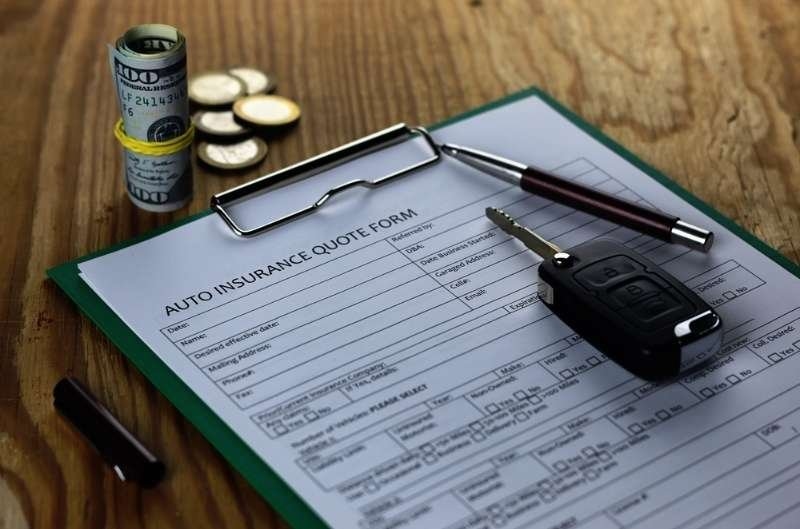
Two drivers riding on the same street in the same car model can have dramatically different rates. This is because companies analyze up to 60 distinct risk variables to build an auto insurance quotation.
Therefore, you need to understand how insurers calculate risk and how to pit them against each other before securing an auto insurance quote online.
What Actually Drives Rate Fluctuations?
The following factors can impact the car insurance quotes a lot:
- ZIP Code Dynamics
- Annual Mileage Precision
- Exact Vehicle Trim
- Coverage Lapses
Why do Car Insurance Quotes Vary so Much?
Every insurance provider relies on its own proprietary mathematical algorithm to determine premiums. One company might heavily penalize a single speeding ticket, while another might focus more on the historical volume of claims filed in your specific neighborhood.
An initial auto insurance quote is never a legal commitment. The price will pivot the moment the provider pulls your official consumer reports.
What do You Need for an Accurate Auto Insurance Quote?
Getting all the information together before you start typing will save you a massive headache and keep your rate comparisons stable. If you guess on these details, the price is guaranteed to change later.
1. Driver Profiles
You need the full legal name, birth date, and driver's license number for everyone who lives in your house. Be ready to share a completely honest history of tickets or accidents from the last three to five years. If you leave a minor mistake on the application, the system will identify it and impact the auto insurance rate.
2. Vehicle Identification Numbers (VIN)
Do not guess the vehicle year and model. Use the exact 17-character VIN. Subtle trim variations can shift insurance costs by hundreds of dollars per year due to built-in safety tech differences.
3. Verification Paperwork
Grab an accurate odometer reading rather than guessing your mileage. Keep your current insurance declarations page handy so you can instantly replicate your current liability limits and deductibles.
Comparing the Coverage Level as per the Auto Insurance Quote Online
You need to check the following table to compare the coverage level as per the different auto insurance quotes online:
Opting for a higher deductible lowers your monthly premium, but it requires immediate cash liquidity if an accident occurs.
For example, if raising your deductible from $500 to $1,000 saves you $12 a month ($144 a year), it will take you nearly three and a half years of accident-free driving to break even on that choice. If cash is tight, stick to a $500 deductible.
How to Use an Auto Insurance Quotation Tool Smartly?
Online aggregate tools are highly efficient for gathering multiple quotes for auto insurance simultaneously, but rushing through the fields will cost you.
1. Match Inputs to the Penny
Ensure your liability limits and listed drivers match exactly across every site. One common mistake is comparing a 6-month policy from one carrier to a 12-month policy from another. It is a trap that actually hides the real cost.
2. Dig for Unlisted Discounts
Not all quote engines automatically apply the discounts. Once you find your top choices, the eligibility to verify is:
- Multi-policy bundling (Home + Auto)
- Affiliation discounts (Alumni associations, union memberships)
- Paperless billing and automatic pay triggers
- Telematics programs (App-based driving trackers)
3. Verify the Customer Experience and Financial Stability
A great price doesn't matter if the company drags its feet when you actually need them. Before you lock in a policy, run a quick background check on your top choices to see how they treat their customers and manage their money:
- The NAIC Complaint Index: The National Association of Insurance Commissioners (NAIC) tracks how many people formally complain about their auto insurer. They use a baseline score of 1.0 to represent the industry average. You always want to see a score below 1.0—that means the company gets fewer complaints than you'd expect for its size.
- Corporate Financial Ratings: If a massive hurricane or severe storm hits your state, your insurance company needs enough cash in the bank to pay out thousands of claims at once. Independent agencies like AM Best, Standard & Poor's (S&P), and Moody's grade these companies on their financial stability. Stick to insurers that score an "A" (Excellent) or higher, so you know they actually have the money to cover you when things go wrong.
Things You Need to Consider Before Opting for an Auto Insurance Policy

Before submitting your first month's payment, contact the winning insurer directly to lock in the final underwriting price. You need to make sure that the following things are clarified:
- Any upfront cancellation fees if you switch mid-cycle
- Mention household members explicitly excluded from coverage, if any.
- If the rate depends on running a final credit-based insurance check.
Taking an extra 10 minutes to verify these things can protect your financial condition and ensure your vehicle is genuinely protected.
Conclusion
Getting the right auto insurance quotation comes down to using accurate details and matching your coverage levels across different companies. Spending some additional time to prepare your information and protect you from unexpected price hikes.
Looking for the best auto insurance quotes? Take some time out and contact multiple car insurance providers to compare their rates. It will help you to find the best deal that ensures your financial security in all situations.
Frequently Asked Questions
1. How many insurance companies should I check before buying?
You should get quotes from at least three to five different companies. Insurance rates aren't set in stone—companies constantly tweak how they price risk based on what's happening in your area. This is exactly why you can get different prices from two places for the same driver and car.
2. Will a higher deductible always save me money long-term?
Not always because a higher deductible drops your monthly bill, but it also means you take on more financial risk. If you live somewhere with terrible roads and constantly need to fix cracked windshields—or if you have a habit of minor fender benders—having to pay $1,000 out of pocket every single time will wipe out those monthly savings instantly.
3. Why did my premium jump right before I checked out?
This usually happens because the system finally pulled your actual driving record, insurance history, or credit report and found a mismatch. The most common reasons for a sudden price spike are a wrong address or a minor ticket you forgot to mention when filling out the initial form.
This content was created by AI




©2026 InsuranceAndLeisure.com, All Rights Reserved