Homeowners Insurance Swimming Pool Coverage Made Simple

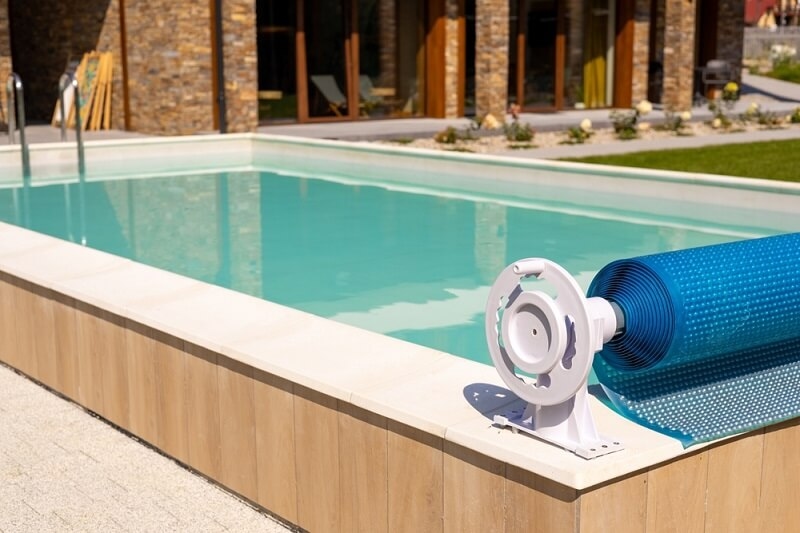
A backyard pool can feel like a little slice of vacation right at home, especially during those long American summers when the heat doesn’t budge. But the moment you add a pool, your insurance brain starts whispering questions. How’s the coverage? What’s actually protected? Will your premiums jump? This guide pulls everything together so you can get your head around the essentials without feeling lost. As you read through, you’ll see how coverage works, where it gets tricky, why liability matters, and what surprises homeowners often face with both in-ground and above-ground pools. Think of this as a friendly walkthrough that steadies your decision-making while keeping things simple enough to remember later.
Homeowners Insurance Swimming Pool Coverage Basics
A pool changes your home’s risk profile. So naturally, your insurance responds to that shift. This section sets the stage, then the next few break it down into real, everyday scenarios.
Does Homeowners Insurance Cover Pools?
Most standard homeowners insurance policies cover pools, but it’s not always straightforward. The moment a pool is added, the insurer classifies it as a structure on your property. Now, the wrinkle is how they classify it. Some see an in-ground pool as part of the home’s permanent structure. Others tuck it under “other structures,” similar to a detached garage.
But generally, coverage applies to:
- Damage caused by covered perils like storms or fire
- Liability protection if someone gets hurt
What it doesn’t usually cover is wear and tear or aging issues, which can frustrate many pool owners because pools age fast in extreme weather. If you’re in a state like Arizona or Texas, sun exposure alone becomes a contender in pool maintenance.
Pool Liability Coverage Homeowners Insurance Essentials
Here’s the thing about pool liability. Even the most responsible pool owners carry a bit of stress in the back of their minds. Pools invite fun, sure, but they also invite risk. Slippery decks, energetic kids, late-night swims… it only takes one moment. Liability coverage steps in if someone gets injured on your property because of your pool. It covers medical bills and legal costs if things escalate.
A lot of homeowners quietly upgrade this part of their policy, especially when they host parties or live in a neighborhood where kids often wander in. Adding a safety fence, pool cover, or signage can improve your insurer’s perception of risk, sometimes lowering your premium.
Homeowners Insurance Pool Damage Coverage Explained
Pool damage coverage depends heavily on what caused the problem. Lightning strike that damages your pool equipment? Covered. Windstorm that sends debris crashing into your liner? Usually covered. But cracked tiles from soil movement or leaks caused by age… not so much.
There’s a subtle emotional frustration here. Many pool owners assume insurance covers anything that looks “damaged.” But insurers stick tightly to their list of triggers, and age-related issues rarely qualify. You know what? It’s better to call your insurer before assuming anything. A quick chat saves a lot of heartache.
Comparing Different Pool Types For Insurance
Every pool brings its own story. This section eases you into how insurers see each type, almost like they’re sizing up two very different personalities.
In-Ground vs Above-Ground Pool Insurance: What Changes?
When it comes to insuring pools, not all pools are treated the same. The type of pool you have—whether permanent in-ground or movable above-ground—can affect both coverage and cost. Here’s a quick comparison to help you see the differences at a glance:
| Feature | In-Ground Pool | Above-Ground Pool |
|---|---|---|
| Cost to Insure | Higher due to permanence, repair costs, and higher risk | Generally lower, treated more like equipment |
| Coverage Classification | Usually under “other structures.” | Sometimes classified as personal property. |
| Impact on Policy Limits | Draws from the same limit as garages or sheds; may need an increase | Replacement is possible if personal property coverage is sufficient |
| Risk Assessment | Permanent structure risk | Higher risk for partially permanent pools, especially wind damage |
| Repair Costs | Expensive to repair | Usually lower, but it depends on materials and installation |
Both types usually require safety features, and some insurers won’t renew a policy unless these are in place. Think fencing, ladders that lock, and proper lighting. They’re not just formalities; they keep you and your guests safer.
When Pool Materials Affect Coverage
The insurance conversation subtly shifts when you mention material. Vinyl liners are more likely to tear, so insurers pay close attention to their condition. Fiberglass shells handle weather changes better but can be costly to replace if cracked. Concrete pools tend to be the most durable, but they also bring the highest repair costs.
Costs And Coverage Limits For Pool Owners
Insurance cost discussions feel a bit dry sometimes, but when it comes to pools, the numbers actually tell a story about how insurers see risk. And sometimes the story surprises homeowners.
Home Insurance Pool Coverage Cost Factors

Insurers look at several things when calculating your premium increase:
- Pool type and size
- Safety features
- Local weather conditions
- Claim history in your neighborhood
Most homeowners notice a modest bump in premiums, not a massive one. But if your area has frequent storms or strict building codes, it can go up more than expected. Premiums also rise when pools include diving boards or slides since those add risk.
There’s also the question of whether you want extra liability coverage. Many families add an umbrella policy, which provides additional protection beyond the standard limits. For anyone who hosts gatherings or has teens who invite friends over, it’s a worthy conversation.
Why Coverage Limits Matter More Than People Realize
Your pool might be worth twenty, thirty, or even fifty thousand dollars. But if your other structures coverage only sits at ten percent of your dwelling limit, your pool could be severely underinsured. Limits can be raised, and it’s usually affordable.
When Insurers Require Extra Safety Features
Sometimes the request feels a bit over the top, but insurers prefer prevention. They may require self-latching gates, alarms, or even specific fencing heights. While it can feel tedious, your premium might thank you later.
Conclusion
A pool brings joy, relaxation, and countless memories, but it also brings responsibility. Homeowners insurance swimming pool coverage doesn’t need to feel overwhelming once you understand how insurers think. Whether you have an in-ground or above-ground pool, the right coverage, safety features, and clear communication can reduce surprises and protect your investment. Think of your insurance policy not as a complication but as a partner that helps you enjoy your pool without carrying that quiet background worry. And if you ever feel uncertain, ask questions. Insurance only becomes confusing when we stop seeking clarity.
FAQs
How Much Will My Premium Increase If I Add A Pool?
Most homeowners see a small increase, but the exact amount depends on pool type, location, and safety features.
Are Pool Cracks Covered Under Insurance?
Cracks caused by storms or sudden damage might be covered, but aging and soil movement generally aren’t.
Does Insurance Cover Someone Else’s Medical Bills After A Pool Injury?
Yes. That’s what liability coverage is designed for, though limits vary by policy.
Do I Need Special Insurance For An Above-Ground Pool?
Not usually, but you may need extra personal property coverage depending on how your insurer categorizes the pool.
This content was created by AI



©2026 InsuranceAndLeisure.com, All Rights Reserved