Hurricane Deductible: What Homeowners Must Know About It?

If you live in a place that gets a lot of storms, you need to know what your insurance policy says. This is really important when it comes to the hurricane deductible. Many homeowners are surprised to learn that hurricane claims are handled differently from other insurance claims.
The hurricane deductible is not like the deductible you normally have. It can make a difference in how much money you have to pay after a storm. You should know how it works and where it applies. You should also know how it is different from your deductible. This will help you avoid spending a lot of money when you do not expect to. It will also help you better protect your home.
What is a Hurricane Deductible?
A hurricane deductible is the amount I have to pay when my home is damaged by a hurricane. It is not a fixed amount like my deductible. Instead, it is a percentage of what my home is insured for. This percentage is usually between 1% and 5%. For example, let's say my home is insured for $300,000.
My hurricane deductible is 5 percent. That means I have to pay $15,000 before my insurance kicks in. It is a lot to pay out of pocket. That is how it works. I have to be prepared for this cost if a hurricane hits my area. It is good to know what my deductible is and what my insurance covers. That way, I can plan ahead. Make smart decisions.
How Do Hurricane Deductibles Work?
Hurricane deductibles only apply when certain conditions are met. They usually apply when a storm is officially called a hurricane by the National Hurricane Center or the National Weather Service.
When this happens, the deductible applies to damage caused by hurricane winds, such as roof damage or broken windows. There are structural problems with the house.
You should know that flood damage is usually not covered by the standard homeowners' insurance you have, and you need a separate flood insurance policy.
Some insurance policies also have a rule that says you only have to pay the hurricane deductible one time per year, even if there are storms that year.
Know More: Homeowners Insurance and Maintenance: What You Must Know
Hurricane Deductible vs Regular Deductible
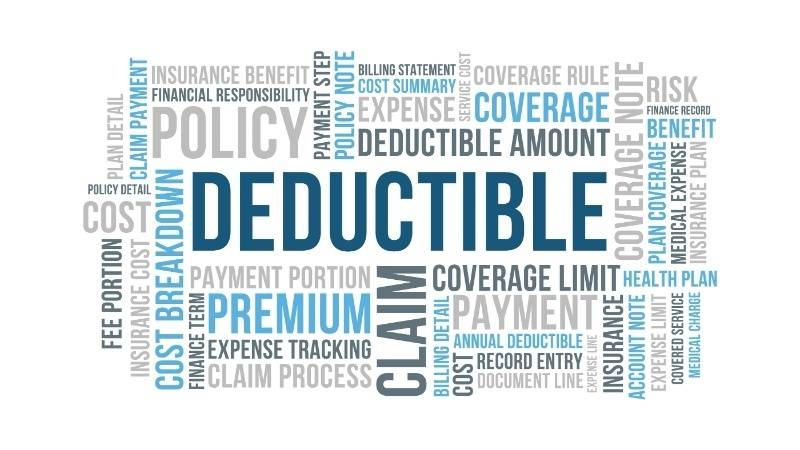
Hurricane deductibles are a lot higher. Depend on the situation more than regular deductibles. It is really important for homeowners to understand the difference between hurricane deductibles and regular deductibles. Here is what you need to know about hurricane deductibles and regular deductibles:
Feature | Hurricane Deductible | Regular Deductible |
| Calculation | Percentage of home value | Fixed dollar amount |
| Typical Range | 1%–5% of insured value | $500–$2,000 |
| When It Applies | Only during hurricanes | All other covered events |
| Cost Impact | Higher out-of-pocket cost | Lower, predictable cost |
| Trigger Condition | Official hurricane declaration | Any covered claim |
Which States Enforce Hurricane Deductibles?
Hurricane deductibles are common in coastal areas. Where storms happen often. These states are at risk of hurricanes, so insurance companies have special deductibles to help cover big losses. If you live in one of these places, your home insurance policy probably has a hurricane deductible. Now, 19 states in the U.S. require you to have hurricane or named storm deductibles. Some of these states are:
- Florida
- Texas
- Louisiana
- North Carolina
- South Carolina
- New York
- New Jersey
- Virginia
- Georgia
- Alabama
Why Do Hurricane Deductibles Exist?
Insurance companies use hurricane deductibles to reduce their exposure to large disasters like hurricanes. Hurricanes cause significant damage, and insurers have to pay out substantial sums.
By charging homeowners a bit more when they file a claim, insurers can keep premiums lower. This way, homeowners pay less each month. Might have to pay more when something bad happens.
They share some of the risk covers with homeowners, which helps keep insurance costs down.
Pros and Cons of Hurricane Deductibles
Knowing both the good and bad points of your deductible level helps you decide whether it is right for your insurance. Understanding the pros and cons of your current deductible level is important for deciding whether it's right for you.
Benefits
- Lower insurance premiums
- Coverage for hurricane-related wind damage
- Helps insurers remain financially stable
Drawbacks
- High out-of-pocket costs
- Can be confusing for policyholders
- May require additional savings or emergency funds
Tips to Manage Your Hurricane Deductible
When hurricane season comes, it is a good idea to get ready ahead of time. This helps you be ready with money and feel less worried when bad things happen.
- You should look at your insurance policy: you need to know how much you have to pay and what is covered.
- You should save money for emergencies: You need to have money to pay for things if you need to.
- You might want to consider paying more for insurance: that way, you will not have to pay much when something bad happens.
- You should consider protecting your home: installing shutters or a strong roof might help you pay less for insurance.
Common Misconceptions
Many homeowners do not understand how hurricane deductibles work. It is really important to clear up these misunderstandings so you're better prepared when a hurricane hits.
- One thing people get wrong is that insurance covers all damage from a hurricane. That is not true because flood damage is not included, and you need a separate insurance policy for that.
- Another thing people do not know is that the deductible is not always the amount. Usually, it is a percentage of what your home is worth, and that can be a lot of money, which is even more than you think.
Conclusion
Homeowners need to know about the hurricane deductible, especially if they live in areas prone to hurricanes. You should know what a hurricane deductible is and how it differs from a standard deductible. This information will help you make decisions about your insurance.
Many states are now requiring people to have these deductibles, and the risk of storms is increasing. So it is very important to be prepared. You should review and then get your home insurance policy to understand how you will pay for things and what it covers. This will help keep you from incurring unexpected costs.
When a hurricane hits, knowing about hurricane deductibles will help you be ready. You will not be surprised by the costs. You will be able to handle the situation better. Hurricane deductibles are important, and knowing about them will help you.
FAQs
Is a Hurricane Deductible Mandatory?
Not always, but in high-risk coastal states, insurance companies often require flood insurance. Some insurance policies include flood coverage automatically, while others offer it as an option. The thing is, it really depends on where you live, which insurance company you have, the level of hurricane risk in your area, and whether you need flood insurance.
Can I Lower My Hurricane Deductible?
Yes, some insurance companies let you pick a lower hurricane deductible. This will usually raise your premium. You need to find a balance between what you can afford to pay and the financial risk you take on so you can handle the costs when you make a claim. Hurricane deductibles are a deal, and you have to think about how a hurricane deductible will affect you. When you are looking at hurricane deductibles, you have to consider what you can afford. The risk of a hurricane.
Does a Hurricane Deductible Apply to Every Storm?
No, it only applies when a storm is officially classified as a hurricane. Other weather events, such as regular storms or wind damage, may fall under standard or wind/hail deductibles depending on your policy terms.
This content was created by AI


©2026 InsuranceAndLeisure.com, All Rights Reserved