Get the Best Auto Insurance Rates: A Guide for Car Owners

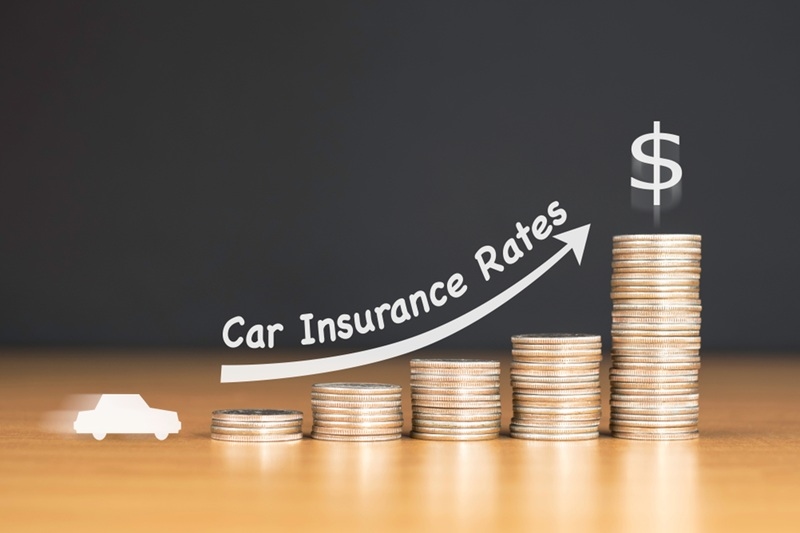
If you feel like your car insurance bill keeps creeping up for no obvious reason, you are not spotting something wrong. This is because finding affordable auto insurance rates has become a tough task, and getting the accurate rates before opting for one is like a guessing game.
However, you don't have to just accept whatever price your current provider offers during renewal time. The trick is to know the factors that drive the costs up and how to pull multiple auto insurance rate quotes to force companies to compete for your selection.
The best auto insurance rates offer:
- Low Premium Costs
- Broad Liability Limits
- Comprehensive Physical Protection
- Low Deductible Options
- Multi-Policy Bundling Discounts
What Actually Drives Your Auto Insurance Rates?
When a company gives you a price, they aren't just guessing. They are looking at a giant math equation. Here is what actually moves the needle on your auto insurance rates:
1. Inflation and Repair Costs
According to the Bureau of Labor Statistics (BLS), the cost of fixing cars has gone up a lot over the last few years. Modern cars have expensive sensors in the bumpers and windshields. When those cost more to replace, everyone's rates go up.
2. Where You Stay
Your ZIP code is a massive factor. If data from the Insurance Information Institute (Triple-I) shows a spike in car thefts or flooded streets in your neighborhood, your comprehensive coverage costs will jump.
3. Your Real Driving Record
A clean record keeps your bill low. But if you have a speeding ticket or an at-fault accident from two years ago, insurers see you as a higher risk.
Smart Strategies to Lower Your Auto Insurance Rates
You have more control over your premium than you might think. Before you settle for a high bill, look at these specific ways to bring it down:
How to Compare Auto Insurance Rate Quotes?

Do not just click the first cheap ad you see online. When you start pulling auto insurance rate quotes, you need to make sure the companies are actually worth your money. Here is the exact playbook for comparing your options:
1. Use the Exact Same Info Everywhere
If you tell Company A you drive 10,000 miles a year and tell Company B you drive 5,000 miles, your quotes will not match up. Use the same mileage, the same coverage limits, and the exact same VIN for every quote.
2. Check the NAIC Complaint Index
The National Association of Insurance Commissioners (NAIC) tracks how often customers file complaints against their insurers. The industry average score is 1.0. Always look for a company with a score below 1.0. That means they get fewer complaints than normal.
3. Look at J.D. Power Scores
J.D. Power ranks insurance companies based on real customer feedback, especially on how they handle claims. A cheap rate means nothing if the company makes it impossible to get your car fixed after a wreck.
4. Verify Their Financial Strength
Check the company's rating with AM Best. You want an "A" rating or higher. That tells you the company has enough money in the bank to actually pay out your claim, even if a bad storm hits your town.
What are the Biggest Mistakes People Make While Opting for Auto Insurance Rates?
A lot of people accidentally mess up their own quotes because they rush through the online forms.
1. Guessing Your Car's Exact Model
A Honda Civic LX and a Honda Civic Touring have totally different safety features and replacement costs. If you guess the wrong one, your final price will change once the company runs the real VIN.
2. Never Lie About Your Driving History
Do not try to hide your driving history to get a cheaper initial quote. The company will eventually pull your official motor vehicle record. If they find a hidden ticket or accident, they will instantly raise your price or cancel your policy before it even starts.
Conclusion
Locking in great auto insurance rates doesn't require a finance degree, but it does require honesty and a little bit of homework. By pulling accurate auto insurance rate quotes and checking trustworthy sources like the NAIC and AM Best, you can find a policy that fits your budget and actually protects you when you need it most.
Want to get the best policy rates? Start by comparing the different auto insurance rate quotes and the factors that impact your auto insurance rates.
Frequently Asked Questions
1. How often should you check your auto insurance rates?
You should definitely look around at least once a year, or right before your current policy renews. It’s also a smart move to pull new auto insurance rate quotes if you go through a major life event—like moving to a new ZIP code, buying a new car, or adding a teenager to your family plan.
2. Why do auto insurance rates go up even though drivers did not crash?
This frustrates everyone. Even if you are a perfect driver, your auto insurance rates can jump because of things totally outside your control. As the Bureau of Labor Statistics notes, general inflation and expensive car parts mean it costs companies more to fix vehicles right now. If there's a spike in accidents or car thefts in your specific neighborhood, everyone in that area might see their bills go up.
3. Does your credit score actually change my price?
In most states, yes. Insurance companies often look at a specific version of your credit score to help figure out your price. They generally find that people with solid credit are less likely to file claims. If you've recently paid off debt or improved your credit score, it is a great time to shop for new auto insurance rate quotes to see if you can save some money.
4. Should car owners just pick the company with the lowest price?
Not always. A rock-bottom price is great until you get into a wreck and the company ignores your phone calls. Always check how a company actually treats its customers. Take two minutes to look up their J.D. Power score or check their NAIC complaint index to make sure they actually pay out claims fairly.
This content was created by AI


©2026 InsuranceAndLeisure.com, All Rights Reserved