Usage Based Insurance for Lower Bills Through Safe Driving

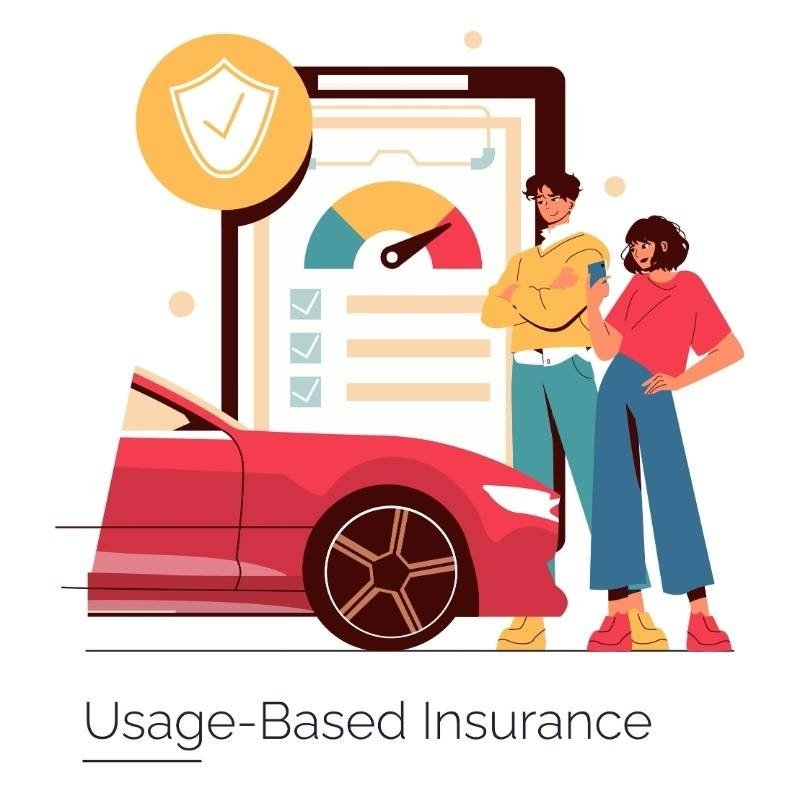
Car insurance isn’t what it used to be. In some places, the change creeps along. In others, it’s coming fast. The old system was pretty straightforward — insurers checked things like your age, where you live, what you drive, your driving history, and then gave you a price. You’ll still see that. But now, your actual driving habits can make a difference.
This shift matters. Not everyone is a risky driver. Some barely drive at all. Some stick to safe habits. Others, well, don’t. Usage-based insurance is all about fairness. Instead of lumping you in with everyone else, it looks at how you actually drive. So, if you’re careful on the road, there’s a good chance you’ll pay less.
Let’s dig into what usage-based insurance really is, what you get out of it, things to watch for, and how your own habits might help you save money.
Understanding Usage Based Insurance in Modern Auto Coverage
With usage-based insurance, what you pay on car insurance depends on how much you drive and, more importantly, how safely you do it. Instead of relying only on traditional risk factors, insurers collect real-world driving data.
Simple idea. Pay based on actual behavior.
Many drivers ask, "What is usage-based insurance?" It’s basically an insurance model that tracks habits like mileage, speed, braking patterns, time of travel, plus phone distraction in some cases.
That data helps insurers measure risk more accurately. Safer behavior often leads to better pricing. Riskier behavior may not. Traditional insurance works on estimates. Usage-based models lean more on real usage.
How UBI Insurance is Changing Car Insurance Pricing?
UBI Insurance is pushing insurers toward more personalized pricing. That’s a major shift. Older insurance models grouped drivers into broad categories. Two people with very different habits could still pay similar premiums. That created gaps.
UBI tries to fix that.
Safe Drivers Can Benefit More
Drivers with safe habits usually gain the most.
If you’re someone who drives less, avoids late-night trips, brakes gently, sticks to speed limits, and keeps things steady behind the wheel, you’re probably reducing your chances of an accident. Insurers notice those habits and often reward them with discounts or cheaper renewals. But fair warning — not everyone gets the same benefits.
Low Mileage Drivers Often Save More
Some people barely drive. Remote workers, retirees, and hybrid workers—many fall into this category. Traditional pricing may overcharge these drivers because mileage is not always measured accurately. Usage-based plans can better reflect actual road exposure.
Less driving often means less risk. That logic is hard to ignore.
Usage Based Car Insurance Rewards Better Driving Habits
One interesting effect of Usage-Based Car Insurance is behavioral change. People often drive differently once they know habits are being tracked. Braking improves. Speeding drops. Distracted driving gets reduced.
Awareness changes behavior.
Driving Scores Influence Premium Savings
Many insurers assign driving scores based on collected data.
Insurers usually track things like how quickly you accelerate, how hard you hit the brakes, how you take corners, when you drive, and whether you’re messing with your phone while driving. If you score well, you get discounts. If not, those rewards might shrink.
Safer Driving Builds Long-Term Savings
Short-term discounts matter. Long-term savings matter more. Drive well, avoid tickets and accidents, and odds are you’ll make fewer car insurance claims. Over time, that can push your rates down even further than typical discounts.
Even small changes in your routine make a difference—they add up.
Connected Car Insurance is Expanding Fast
This big shift is possible thanks to tech. With connected car insurance, telematics devices—think smartphone apps, plug-ins, or systems built right into your car—track your driving automatically.
Cars keep getting smarter, and insurance is following right along.
Telematics Makes Risk Tracking More Accurate
Telematics gather all sorts of driving data in real time—speed, braking, when and where you drive, and more. That gives insurers better visibility into how someone actually drives instead of relying only on broad demographic data.
This creates a more accurate risk assessment. Sometimes more fair too. Yet not everyone likes it.
Privacy Concerns Still Matter
Data collection raises valid concerns. Not everyone’s thrilled about that level of tracking. Some folks worry about privacy, which makes sense.
Before you sign up, check exactly what data your insurer collects, how long they keep it, who sees it, and how it actually affects your rate. These details matter a lot.
Benefits and Drawbacks of Usage Based Insurance
Usage-based coverage offers clear advantages. But there are trade-offs, fs too. Not every driver should automatically switch.
Key Benefits for Drivers
There are several reasons drivers consider this model. Lower premiums are the obvious benefit. Fairer pricing is another. Some drivers also like the feedback tools because they improve driving awareness.
Here’s what you get out of usage-based insurance: possible discounts, pricing based on your real habits, better awareness of how you drive, and fairer rates if you don’t rack up a lot of miles. For safe and low-mileage drivers, it feels good to finally get recognized.
Potential Downsides To Consider
There are drawbacks, too. One thing to keep in mind: If you drive aggressively, often at night, or rack up lots of miles, you might not see many savings. Privacy concerns also remain a major factor.
Some people simply prefer not to be monitored. That’s fair. The model works best when the driver understands both upside and risk.
Also Read: 5 Things to Consider When Buying Auto Insurance
Conclusion
Insurance is moving toward personalized pricing. Usage-based models are right at the center of that shift. But at least insurance companies aren’t just making guesses—they can give you a price that matches how you actually drive. That means better deals for safe drivers, real rewards for good habits, and coverage that really fits.
It’s not flawless. Privacy is a big deal — people worry about what data gets collected and where it goes. Savings aren’t guaranteed for everyone. It won’t work for every driver. But if you usually drive safely and don’t log a ton of miles, this kind of coverage is definitely worth a look.
FAQs
How Does Usage-Based Insurance Work?
Insurance companies gather driving data with a mobile app, a plug-in device, or your car’s own systems. They monitor how far you drive, braking and speeding habits, when you’re on the road, and so on. That info helps them judge your risk and adjust your price.
Can High-Mileage Drivers Benefit?
Sometimes. If you’re on the road a lot, your risk goes up, and the savings may shrink. But if you’ve got solid, safe habits, you’ll probably still pick up a discount, though it depends on the insurer.
Does Usage-Based Insurance Put Your Privacy at Risk?
Absolutely. These plans track your trips, sometimes right down to location and details. Make sure you look at the company’s privacy policies before you sign up.
Can Young Drivers Save?
Young drivers usually pay more under traditional insurance. With usage-based plans, they can bring those costs down if they show safe driving over time. Good habits can actually beat the usual age-based assumptions.
This content was created by AI

©2026 InsuranceAndLeisure.com, All Rights Reserved