Best Auto Insurance Comparison: A Complete Guide for Teens

Key Takeaways
- Sticking to the first quote you get guarantees you overpay for basic coverage by hundreds of dollars.
- Keeping a teenager on a parent's policy costs significantly less than buying a standalone contract.
- Digital tracking apps monitor hard braking and late-night driving to slash premiums for safe drivers.
Putting a teenager behind the wheel terrifies parents and makes insurance companies massive profits. Young drivers wreck cars constantly. The industry knows this, jacking up premiums to cover inevitable fender benders. You cannot avoid the teenage driving tax, but you can minimize the financial bleeding. Executing a relentless best auto insurance comparison strategy forces these massive corporations to compete for your money. Stop settling for the standard renewal letter and pit carriers against each other to exploit discounts. Leverage digital tracking tools to drop the monthly bill down. Break down how underwriters calculate risk.
Why is Auto Insurance Comparison Essential for Teens?
Young drivers face brutal premium hikes. Actuaries look at their zero years of experience and price them as high-risk liabilities immediately. Refusing to shop around means you accept those inflated default rates. Comparing multiple carriers exposes the massive price gaps between greedy companies and fair underwriters. You must fight back.
Cheaping out on liability limits just to save a few bucks ruins you financially after a bad wreck. State minimums barely cover a dented bumper on a modern truck. Comparing policies side-by-side reveals which companies offer high-tier accident forgiveness and serious liability protection without doubling your monthly premium on the spot.
Things to Consider for the Best Auto Insurance Comparison
Do not just look at the final monthly price tag and hit buy. You have to tear the policy details apart to see what happens when the car hits a wall.
1. Deductible Structure
Choosing a massive two-thousand-dollar deductible drops your monthly bill fast. But if the teenager sideswipes a guardrail, you must produce that cash before the mechanic starts working.
2. Liability Limits
State minimum coverage is a total joke. If your kid rear-ends a truck, basic liability pays out almost nothing. It leaves you personally on the hook for massive repair bills.
3. Accident Forgiveness
Inexperienced drivers make stupid mistakes. Finding a carrier that ignores the first minor fender bender saves you from dealing with a brutal rate hike during the next renewal cycle.
How to Get the Best Auto Insurance Rates?
You have to game the system to bring the numbers down. Underwriters offer loopholes and hidden discounts that cut the final cost if you know where to look.
Install Telematics Trackers
Plug a tracking device into the dashboard or download the carrier's phone app. It records hard braking and midnight joyrides.
Leverage the Grades
Companies assume smart kids cause fewer accidents. Submitting a report card with a solid B average triggers the good student discount, dropping the cost fast.
Delay the Standalone Policy
Never force a sixteen-year-old to buy their own separate contract. Bundling the teenager onto the primary family plan absorbs their massive risk profile into your established driving history.
Finding the Best Auto Insurance for Teens on a Tight Budget
Buying coverage for a high schooler on a minimum-wage budget requires hard strategy. You cannot afford full comprehensive coverage on an expensive sports car.
1. Drive a Beater
Put the kid in a heavy, slow sedan. The value of an old used car drops so low that you can strip away collision coverage entirely. That chops the monthly insurance bill in half.
2. Take a Defensive Course
Spending a Saturday sitting in a classroom learning how to avoid bad weather crashes pays off. Handing that official completion certificate to your agent triggers a mandatory rate reduction.
3. Keep Mileage Low
Tell the carrier the teenager only drives five miles to school and back. Classifying the vehicle as a low-mileage commuter car lowers the premium.
Navigating the Best Tesla Insurance for Inexperienced Drivers
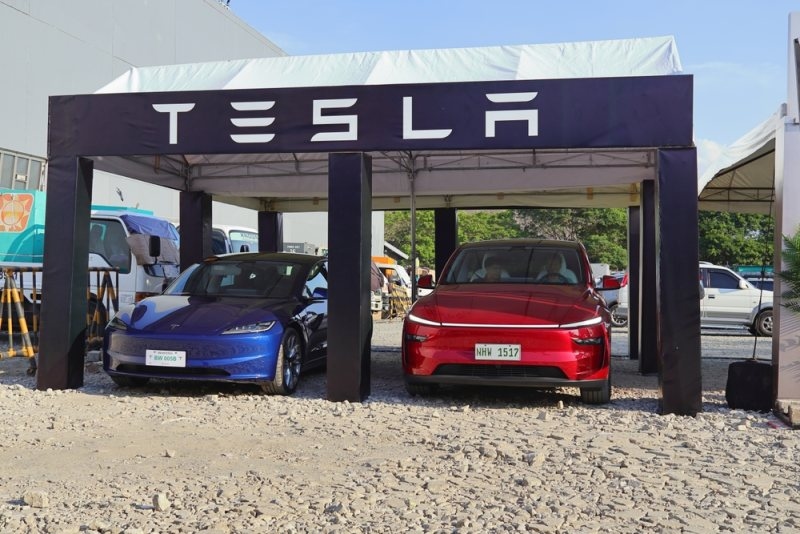
Handing a teenager the keys to a fast electric vehicle creates a massive liability nightmare. Traditional carriers hate insuring these cars because battery packs cost a fortune to replace.
Bypass Standard Companies
Hunting down the best tesla insurance requires looking beyond standard legacy carriers. You have to investigate digital policies built specifically for complex electric vehicle technology.
Utilize Built-In Tech
Avoid clunky third-party tracking apps entirely. Some carriers pull safety metrics directly from the car's built-in cameras to monitor actual road behavior.
Score Customized Rates
Forcing the insurance company to use real-time vehicle data gets you a customized price based on safe driving instead of a blanket luxury penalty.
Cheaper Premiums: Auto Insurance for 22-Year-Olds
The rates finally start to drop once a driver clears the teenage years. Securing cheap auto insurance for 22-year-olds means shedding bad habits and leveraging a clean driving record.
Cut the Family Plan
At twenty-two, sticking to your parents' insurance starts holding you back. If you have decent credit and zero fender benders, buy your own policy. It builds an independent profile so companies quit treating you like a risky teenager.
Fix Your Zip Code
Leaving a packed college campus changes how insurers view your car. Moving into a quiet neighborhood with a private driveway cuts vehicle theft risks fast. Tell the agent immediately so they slash your rate.
Use College Perks
Check your graduation paperwork before buying coverage. Most big universities partner with major insurers to hand alumni private group discounts. It takes five minutes to verify and knocks cash right off your bill.
Conclusion
Navigating the brutal market of young driver coverage demands ruthless strategy, not passive acceptance. Hunt for hidden discounts. Exploit telematics apps. Refuse to pay the standard bloated rates. Running a relentless best auto insurance comparison protects your bank account from corporate price gouging.
Frequently Asked Questions
Does getting a parking ticket increase a young driver's insurance rate?
No. Parking tickets are non-moving violations. The city just wants the revenue for parking in front of a fire hydrant. Unless you refuse to pay it and the state suspends the license, the insurance company never cares about parking fines.
How long does an at-fault accident stay on a driving record?
Carriers hold a grudge for three to five years, depending on the state laws. That single stupid mistake in a grocery store parking lot keeps the premium high until the incident officially ages off the motor vehicle report.
Will a red light camera ticket impact the monthly premium?
Usually, it does not matter. Most states treat automated camera tickets like simple administrative fines because the camera cannot prove who was driving the car.
Does a lapse in coverage make future policies more expensive?
Yes. If you cancel a policy and go a month without coverage, companies view you as a massive risk. They punish that gap by charging a penalty premium the next time you try to buy a legal policy.
Can dropping out of high school affect a teenager's insurance cost?
Yes. Companies discount premiums for full-time students who maintain good grades. If a teenager drops out of school, they lose that specific discount. This causes the monthly bill to spike during the next billing cycle.
This content was created by AI


©2026 InsuranceAndLeisure.com, All Rights Reserved