Why is Collision Vs. Comprehensive Insurance Important?

Key Takeaways
- Know your car’s value before you pick collision coverage.
- Get clear on what comprehensive car insurance actually covers—it’s not just another name for collision.
- Weigh repair costs, deductibles, and how much your rates might go up. You’ve got to look at the full picture.
- If you’re making payments or leasing, check what your lender wants. There are usually rules.
- As your car gets older, reassess your insurance. Don’t just set it and forget it.
The debate between collision and comprehensive insurance trips up a lot of drivers. They sound similar, but they cover very different things. Pick wrong, and you might find yourself on the hook for thousands after an accident, a theft, or a gnarly storm.
Most drivers in the U.S. aren’t skipping out: about 76% have collision coverage, and 80% have comprehensive coverage, according to the Insurance Information Institute. These numbers make sense considering how common crashes and weather damage are. The Federal Highway Administration sees millions of crashes every year, and severe storms aren’t slowing down.
If you’ve ever wondered how collision and comprehensive insurance actually differ or whether full coverage is worth it, you’re not alone. This guide breaks down what each covers and what they cost, what is the difference between comprehensive and collision insurance, and gives you examples so you can pick the right protection for your car and your budget.
What is Collision Coverage?
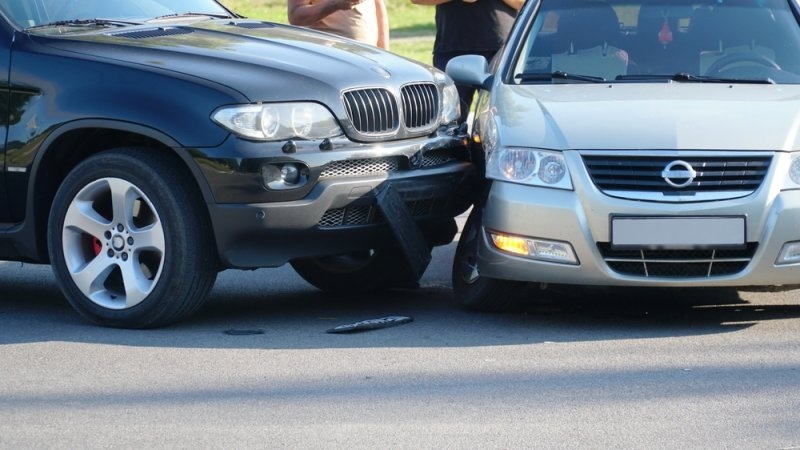
Collision coverage pays to fix or replace your own car after you hit—well, pretty much anything, even if the accident was your fault. This includes crashing into another vehicle, a pole, a tree, or even rolling your car over.
For example:
You slide on a wet road and hit a utility pole. The body shop hands you a $4,200 bill. If your deductible is $500, insurance picks up $3,700. No collision coverage? You’re paying the full bill yourself.
What is Comprehensive Car Insurance?
Comprehensive car insurance covers damage to your car that isn’t caused by a collision. Think of all the unpredictable situations out there—stuff that isn’t really your fault or the result of a crash.
So, if your car gets stolen, vandalized, smashed by hail, set on fire, flooded, hit by a falling tree, or wrecked by a run-in with a deer, comprehensive has your back.
Here’s an example:
After a hailstorm, you find your hood, roof, and trunk dented—a $5,000 fix. With a $500 deductible, your insurance pays the other $4,500. If you live somewhere with wild weather or a high risk of theft, this coverage is a lifesaver.
Collision vs. Comprehensive Insurance Coverage
Let’s keep this simple, and here is the basic difference between collision vs. comprehensive insurance:
- Collision: In this, you hit something.
- Comprehensive: In this, something happens to your car.
Coverage details:
- Collision pays for damage from running into another vehicle or object.
- Comprehensive pays for theft, weather, vandalism, fire, falling objects, and run-ins with animals.
- Lenders usually want you to have both if your car is financed or leased.
| Feature | Collision Coverage | Comprehensive Coverage |
| Collision with Another Car | Yes | No |
| Hit a Stationary Object | Yes | No |
| Theft | No | Yes |
| Natural Causes (Weather, Flood, Hail, etc.) | No | Yes |
| Vandalism | No | Yes |
| Collision with Animals | No | Yes |
| Often Required by Lenders | Yes | Yes |
Should I Get Comprehensive or Collision Insurance for My Car?
It mostly comes down to your car’s value, its age, and whether you could afford repairs yourself.
Pick collision if:
- You drive a newer or expensive car (worth $5,000–$7,000+).
- You put a lot of miles on it, drive in heavy traffic, or your rides are expensive to fix.
- Your lender or lease contract says you have to.
Pick "comprehensive" if:
- You live where hail, flooding, fires, or car theft are common.
- You want to protect your car from non-driving disasters.
A lot of drivers carry both—especially if their car still has some real value left.
How Does Full Coverage Car Insurance Work?
People throw around the phrase “full coverage,” but it really just means you have these three:
- Liability (pays for injuries and damage you cause to others)
- Collision (pays for your car after a crash)
- Comprehensive (pays for your car after all the crazy stuff that isn’t a crash)
If you have a loan or lease, the bank probably requires both collision and comprehensive.
Real-World Cost Comparison
Premiums bounce around a lot based on where you live, your driving history, and your car. Collision coverage usually costs more, since accidents are more common than things like theft or hail damage.
Don’t just focus on the monthly price. Look at your deductible, what you’d pay out of pocket, and what you’d get after a claim.
| Coverage Type | Estimated Annual Cost |
| Comprehensive | $150–$300 |
| Collision | $300–$700 |
Types of Car Insurance Coverage You Should Know
Here are major types of insurance coverage, and you can also get more car insurance coverage options, like
Liability coverage
It is the legal must-have in nearly every state. It covers the people you hit (and their cars), not your own. That’s why drivers with something to lose (like a car they need every day) usually add collision or comprehensive.
Collision
It is for repairing your car after an impact—whether you hit another vehicle, insurance protection, or just the mailbox at the end of your driveway. For newer cars, this coverage isn’t optional. Modern repairs can be brutally expensive.
Comprehensive
It keeps you protected from things you can’t control—like a break-in, hail, flooding, fire, or a rogue tree branch that flattens your hood. It works even if your car was parked.
Uninsured/Underinsured Motorist Coverage
It is what saves you if you get hit by someone with no (or not enough) insurance. Medical bills and repairs aren’t cheap, and this coverage steps in when the other driver can’t pay. It’s usually affordable, too.
Smart drivers get a mix of these coverages that fit both everyday risks and the unexpected.
Choosing Car Insurance Coverage For Different Drivers
Here is how you proceed:
For new cars:
Both collision and comprehensive are your safest bets. It doesn’t take much for a new car to take a big financial hit.
For older cars:
If your ride is worth $2,000–$3,000, collision probably isn’t worth the price. A lot of people keep only comprehensives for peace of mind.
For drivers in stormy or high-crime areas:
Comprehensiveness is a must. Weather and theft can total a car even if you drive perfectly.
Quick Decision Guide
| Situation | Recommended Coverage |
| Brand-new financed car | Comprehensive + Collision |
| Five-year-old family SUV | Comprehensive + Collision |
| Ten-year-old car worth $2,500 | Comprehensive only |
| Rarely driven older vehicle | Liability + Optional Comprehensive |
| Area with frequent hail or flooding | Comprehensive strongly recommended |
Mistakes to Avoid
- Picking the lowest premium and nothing else. Cheap policies often mean steep repair bills when you actually file a claim. Compare coverage—not just costs.
- Ignoring your deductible. Higher deductibles give you a lower monthly price, but you’ll pay more if you need repairs. Make sure you can afford your share if disaster strikes.
- Never reviewing coverage. Cars lose value every year. Stay on top of your insurance so you’re not overpaying for coverage you don’t need.
Conclusion
You need to know the difference between collision and comprehensive coverage to make smart choices. Collision covers crash damage that happens while driving. Comprehensive takes care of everything else, from theft to weather to a squirrel with a grudge. The article clearly defines collision vs comprehensive coverage, car insurance coverage comparison, and auto insurance types.
The right combo depends on your car’s age and value, where you park, how often you drive, and your risk tolerance (and maybe what your lender requires). Newer cars? Grab both. Older models? Maybe just comprehensive, or even liability alone.
Take a few minutes to compare your options, look at your deductible, and make sure your policy still makes sense for your life. A little attention now saves you big headaches after the next curveball life throws at your car.
FAQ
Comprehensive vs. Collision Insurance: Which is Better?
Neither one is “better” across the board. Collision covers accidents; comprehensive deals with almost everything else. Most newer cars need both.
Do I Need Comprehensive and Collision Coverage?
Legally, probably not—unless your lender requires it. Practically? If your car still has value, carrying both means you’re covered from most types of loss.
When Should I Choose Comprehensive or Collision Insurance?
If you’re worried about wrecks on the road, lean toward collision. If theft, hail, or nature is a bigger concern, opt for comprehensive insurance. When your car is at risk from both, get both.
Is Comprehensive Insurance Worth It?
It’s usually worth it if the premium is low compared to what you’d have to shell out in repairs or if your car is likely to face weather, theft, or vandalism.
Is Collision Coverage Worth Having on an Older Car?
Not always. If your car’s value is so low that the insurance payout is barely more than what you’re paying in premiums and deductibles, you may want to drop collision and just pay for repairs out of pocket if something happens.
This content was created by AI


©2026 InsuranceAndLeisure.com, All Rights Reserved