HDHP vs PPO: Which Health Plan Fits Your Family Needs Best?


Key Takeaways
- HDHP vs PPO mostly comes down to one trade: pay less every month, or pay less when you see a doctor.
- An HDHP has a higher deductible, but it can open the door to a tax-friendly HSA.
- A traditional PPO gives you more doctors, no referrals, and a smaller deductible. Premiums run higher, though.
- Which is better, an HDHP or a PPO? It depends on how often you use care and how much cash you keep on hand.
- Compare the full yearly cost, not only the premium, before open enrolment closes.
Open enrolment shows up every fall, and the choice looks simple until you read the fine print. HDHP vs PPO sounds like alphabet soup, yet it affects your pay cheque all year. One plan keeps your monthly bill small. The other makes the doctor’s office less painful. This guide breaks down premiums, deductibles, coverage, and benefits in plain English, so you can pick without second-guessing yourself.
What Is an HDHP?
An HDHP, short for high-deductible health plan, keeps your monthly premium low. The catch is the deductible. You pay most medical bills yourself until you hit that number, and only then does the insurer start sharing costs. Many of these plans also come with a health savings account, or HSA. That’s a tax-friendly pot of money you can use for care.
What Is a PPO Plan?
A PPO, or preferred provider organisation, is built around choice. You get a big network of doctors and hospitals, and you don’t need a referral to see a specialist. You can also go out of the network. It’ll cost more, but the plan still helps. One thing trips people up: some PPOs have high deductibles too, so the two categories can overlap.
What Is the Difference Between an HDHP and PPO?
Here’s the cleanest way to think about it. “HDHP” describes how costs are split. “PPO” describes which doctors you can use. Because they measure different things, one plan can be both. When people compare them, they usually mean an HDHP against a traditional PPO with a low deductible. That’s the match-up this article covers.
HDHP vs PPO Differences at a Glance
The table below puts the two side by side on the things most people ask about first. Your own plan may differ, so check the summary of benefits before you sign anything.
| Feature | HDHP | Traditional PPO |
| Monthly premium | Lower | Higher |
| Deductible | High (at least $1,750 for 2027 self-only coverage) | Low to moderate |
| HSA eligibility | Yes, when the plan qualifies | Only if built as an HDHP |
| Doctor network | Varies by plan | Large, with out-of-network options |
| Referrals | Varies by plan | Not required |
| Best for | Healthy people who want to save | People who use care often |
Treat this as a rough map, not a promise. Your employer’s plan documents are the final word on premiums and deductibles.
HDHP vs PPO Premiums: Who Pays Less Every Month?
Your premium is the bill you pay each month, even if you never see a doctor. HDHPs usually win here. The lower premium can leave room in your budget for rent, groceries, or HSA savings. A traditional PPO costs more each month because the insurer carries more of the risk. But a low premium isn’t the whole story. A plan that looks cheap in January can feel expensive by June.
HDHP vs PPO Deductibles: How Much Do You Pay First?
The deductible is what you pay for covered care before the plan starts splitting bills with you. For 2027, an HDHP must carry a deductible of at least $1,750 for one person or $3,500 for a family. Traditional PPOs often set theirs much lower. That means help arrives sooner after a sprained ankle or a surprise ER visit. Preventive care, like annual checkups, is generally covered first on both plan types.
HDHP vs PPO Costs: What Does a Real Year Look Like?
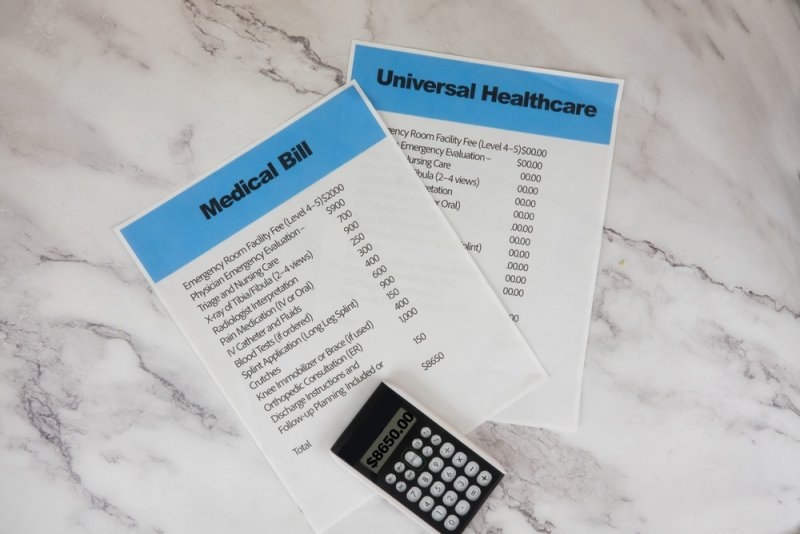
Total cost is your premiums plus whatever you pay for care, capped by the out-of-pocket maximum. For 2027, a qualifying HDHP can’t set that cap above $8,700 for one person or $17,400 for a family. Let’s look at two very different years.
A Quiet, Healthy Year
Say you get one checkup and a flu shot. An HDHP likely wins, because you’ve paid the smaller premium and barely touched the deductible. Any HSA money you didn’t spend rolls over to next year. That’s a big reason healthy twenty- and thirty-somethings lean toward these plans.
A Rough, Busy Year
Now picture a planned surgery, a few specialist visits, and monthly prescriptions. A PPO with a lower deductible often comes out ahead here, even with the pricier premium, because the plan starts paying earlier. Before you choose, list the care you already know you’ll need. Guessing is how people end up with surprise bills.
Must Read: 5 Different Types of Insurance Plans that Adults Must Have
HDHP vs PPO Coverage: Do Networks and Referrals Matter?
Coverage comes down to two things: what the plan pays for and which doctors you can see at the lower price. Most plans sold under the Affordable Care Act include essential benefits like hospital care, prescriptions, maternity care, and mental health services. Rules shift by employer and state, though. Read your summary of benefits instead of assuming.
Network Size and Flexibility
PPOs usually have the widest networks, and they’ll still cover out-of-network visits at a higher price. HDHPs are harder to pin down, since that label can sit on an HMO, an EPO, or a PPO. Don’t guess. Look up your current doctors and hospitals in the insurer’s directory before you enrol.
Referrals and Primary Care Doctors
With a PPO, you can book a specialist directly. No referral, no required primary care doctor. An HDHP built on an HMO or EPO may ask for both. If you manage a chronic condition like asthma or diabetes, that difference matters. Skipping a referral step saves time and a few headaches.
HDHP vs PPO Benefits: What Perks Come With Each Plan?
Both plans have real upsides, but which ones matter depends on how you actually use health care. Think about your last two years of doctor visits and prescriptions, then read the lists below with that in mind.
Benefits of an HDHP
If you rarely get sick and can cover a big bill when one hits, an HDHP gives you real advantages.
- Lower monthly premiums mean less money leaves your pay cheque, even in a healthy year.
- HSA contributions are tax-deductible, grow tax-free, and come out tax-free for qualified medical costs.
- For 2027, the HSA limit is $4,500 for self-only coverage and $9,000 for family coverage.
- Some employers chip in. Those contributions count toward your yearly limit, though.
Benefits of a Traditional PPO
A PPO is the comfortable choice. You know roughly what a visit costs, and you aren’t boxed into a short list of doctors.
- A wide network means you can keep the doctors you already trust, with no referral hurdles.
- Lower deductibles mean the plan starts helping sooner after an injury or illness.
- Fixed copays for visits and prescriptions make budgeting for routine care a lot easier.
- Out-of-network coverage is a safety net when you travel or need a rare specialist.
High Deductible Health Plan vs PPO: Which Suits Your Situation?
Age, health, savings, and family size all shape the answer. This quick table matches common situations to each plan. Most people will see themselves in both columns, and that’s completely normal.
| Choose an HDHP if you... | Choose a PPO if you... |
| Rarely visit doctors during the year. | See doctors or specialists often. |
| Can cover a high deductible from savings | Prefer smaller bills at each visit |
| Want to build tax-free HSA savings | Want predictable copays and low deductibles |
| Are fine with some network limits | Need freedom to choose any provider |
Which Is Better: HDHP or PPO?
No plan wins for everybody. Honestly, the better pick comes down to three questions. Answer them truthfully, and the choice usually gets clear fast. Grab last year’s medical bills if you still have them. They’ll help more than any brochure.
1. How Much Care Do You Expect to Need?
If you mostly go for preventive visits, an HDHP can save real money. If you expect regular treatments, a PPO tends to protect your budget better. Check last year’s claims to estimate your usage, then add a cushion. Life rarely follows the forecast.
2. Can You Afford the Deductible?
Ask yourself a blunt question. Could you pay the full deductible from savings next week without borrowing? If yes, an HDHP with an HSA can become a strong long-term tool. If not, a PPO gives you breathing room when a big bill lands at the worst moment.
3. Will Your Doctors Stay in Your Network?
Check that your doctors, hospitals, and pharmacy participate before you pick. A broad PPO network helps if you travel a lot or see specialists across town. Some HDHPs use narrower networks, so verify each doctor one by one before you enrol. A quick call to the office can save you a headache.
Top Pick: Comprehensive vs. Basic Travel Insurance: Smart Picks
HDHP vs PPO Health Insurance: Smart Tips Before You Enrol
A few simple checks can save you from unpleasant surprises in the new plan year. Run through this list before you click submit.
- Add your yearly premiums to the out-of-pocket maximum. That’s your realistic worst-case cost.
- Ask whether your employer contributes to an HSA. Free money changes the math fast.
- Confirm your regular prescriptions are on the plan’s drug list, and check what each one costs.
- For couples and families, compare family deductibles and out-of-pocket limits, since they work differently from individual ones.
- Ask whether the plan is HSA-eligible. Not every high-deductible plan qualifies.
Conclusion
There’s no perfect plan, only the one that fits your life. HDHP vs PPO really boils down to paying less now versus paying less later. If you’re healthy and can build some savings, an HDHP is worth a serious look. If you see doctors often, a PPO may feel safer. Compare the full yearly cost, check your doctors, and read the HSA rules before you enrol.
Frequently Asked Questions
What is the difference between an HDHP and PPO?
An HDHP has a high deductible and lower premiums, and it often pairs with an HSA. A PPO offers a large network and no referrals, but its monthly premiums usually run higher.
Which is better, an HDHP or a PPO, for a healthy person?
An HDHP often fits healthy people, since lower premiums and HSA tax savings can outweigh the occasional bill. If you expect frequent visits or ongoing prescriptions, a PPO usually works out better.
Can a PPO also be a high deductible health plan?
Yes. Some PPOs are built with high deductibles, so they can qualify as an HDHP. Check the plan documents for HSA eligibility, because the IRS sets specific minimum deductible and out-of-pocket rules.
How much is the minimum deductible for an HDHP in 2027?
For 2027, the IRS sets the minimum HDHP deductible at $1,750 for individuals and $3,500 for families. The out-of-pocket maximum on a qualifying plan can’t exceed $8,700 for individuals or $17,400 for family coverage.
Does an HDHP cover doctor visits before the deductible?
Preventive care is usually covered before the deductible, but most other visits are billed to you. You still pay the insurer’s negotiated network rates, which are typically far lower than uninsured prices.
This content was created by AI



©2026 InsuranceAndLeisure.com, All Rights Reserved