Best Insurance Options Comparison Guide for Drivers


Key Takeaways
- The most affordable insurance coverage may not be the best choice; drivers must consider the insurance limits, deductibles, claims support, and exclusions to make the right decision.
- Factors such as age, the type of car used, driver record, and geographic location greatly affect the price of insurance coverage.
- New young drivers and owners of electric cars can benefit greatly from getting the best discounts and good driving records.
Selecting the best auto insurance is not all about selecting the cheapest one. Even with two drivers having similar cars at the same location, they can be offered varying premiums based on various things such as age, claims history, and other factors.
This Best Insurance Options Comparison guide assists drivers in selecting the best auto insurance plan based on important factors such as coverage limits, deductibles, and support from the insurance company after making a claim, among other things.
The cheapest car insurance might sound good initially but will expose you to high costs in case of accidents, car theft, or repairs. Here is a guide to help you select auto insurance options for different drivers.
Best Insurance Options Comparison: What to Measure
Price matters, but it’s only one line on the page. A $95 monthly premium can cost more than a $125 premium if the cheaper policy carries a high collision deductible, low liability limits, or poor rental car coverage after an accident.
Use the same coverage limits when collecting quotes, or the comparison falls apart. For most drivers, a useful baseline is 100/300/100 liability, collision, comprehensive coverage, uninsured motorist protection, and deductibles of $500 or $1,000.
| Factor | Why it matters | What to check |
| Liability limits | Pays others after an at-fault crash | Avoid state minimums if you have savings or income |
| Deductible | Controls your out-of-pocket repair cost | Pick an amount you can pay within 30 days |
| Claims reputation | Affects repair speed and stress | Review complaint data and customer scores |
| Discounts | Can reduce premiums by 5% to 25% | Ask about bundling, telematics, grades, and safety features |
Different Types of Auto Insurance Coverage
In order to compare various insurance policy packages, it is necessary to first figure out what different types of coverage include. The choice of the proper insurance will be determined by your car's value, financial standing, driving style, and risks that you want to mitigate.
Liability coverage will help you cover the damage or injuries that you have caused other drivers during a collision. In order to make sure that the cost of medical bills or repairs will be adequately covered, it might be wise to choose the limits of coverage above the state requirements.
Collision coverage will pay for the repairs for your vehicle irrespective of whether or not you are at fault. It is particularly needed when you have a relatively new car or owe money for its loan.
Comprehensive coverage will help you pay for repairs caused by various non-collision events, including theft, vandalism, fire, weather events, damage caused by falling objects, and animals.
Uninsured or underinsured motorist coverage will help you when in a situation where you had an accident with an uninsured or underinsured driver.
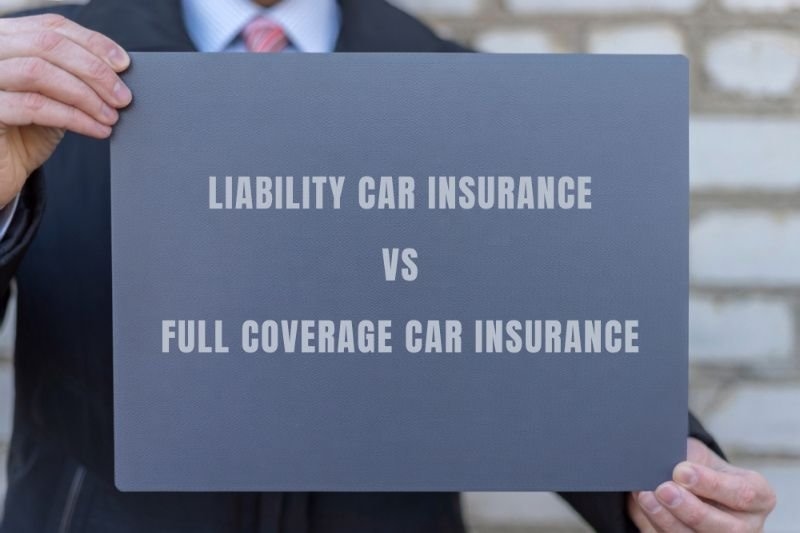
Must Read: Liability vs Full Coverage: Which Car Insurance is Right?
Insurance Comparison for Tesla Vehicles: Costs and Coverage Factors
Electric vehicles change the math because repairs often involve sensors, cameras, aluminum bodywork, and specialized labor. A bumper repair that costs $900 on a basic sedan may run several thousand dollars on an EV if calibration is needed after the work.
An Insurance Comparison for Tesla Vehicles should include collision coverage, original equipment parts rules, glass coverage, roadside help, and rental reimbursement. Tesla owners should also compare insurers that understand battery-related claims and direct repair networks, since shop availability can affect how long you’re without the car.
EV Repair Costs And Potential Coverage Gaps
Some policies look similar until you read the repair language. If the insurer pushes aftermarket parts or limits diagnostic labor, a high-tech vehicle can create a fight during the claim.
Ask whether windshield camera calibration is covered under glass claims and whether the policy pays for towing to an EV-qualified shop. Also check your deductible against the car’s value; a $2,000 deductible may save money monthly, but it can be painful after a minor parking-lot hit.
Top Insurance Providers for Young Drivers
Young drivers pay more because insurers price based on claim frequency, not potential. Teen drivers are involved in crashes at higher rates than adults, and premiums often stay elevated until the mid-20s, especially after tickets or at-fault accidents.
To compare the Top Insurance Providers for Young Drivers, look for student discounts, driver training credits, accident forgiveness rules, and telematics programs that reward safe driving. Some national carriers are strong for household policies, while regional insurers may beat them for clean records in specific states.
Guide to Auto Insurance for 17-Year-Olds
A 17-year-old is usually cheapest to insure on a parent’s policy rather than alone. A practical Guide to Auto Insurance for 17-Year-Olds should start with adding the teen to the family plan, raising liability limits, and applying good-student and approved-course discounts.
Parents should price the teen on the least expensive compatible vehicle in the household if the insurer allows assigned-driver rating. Avoid sports trims, modified cars, and vehicles without modern safety features, since those choices can add hundreds of dollars every six months.
Comparison of Insurance Policies for 21-Year-Old Drivers
At 21, a driver may have enough history to qualify for better rates, but one speeding ticket can erase much of the improvement. A careful Comparison of Insurance Policies for 21-Year-Old Drivers should test both staying on a family policy and moving to an individual policy.
Renters insurance bundles can help young adults living away from home. If you drive under 8,000 miles a year, ask for a low-mileage quote and compare it with a telematics option before accepting a standard rate.
Tips for Choosing Insurance for 22-Year-Old Drivers
A 22-year-old with steady employment, a clean record, and a modest car may start seeing better offers. The best Tips for Choosing Insurance for 22-Year-Old Drivers focus on matching limits to income, comparing at least five quotes, and checking whether roadside assistance is cheaper through insurance or a motor club.
Don’t cut uninsured motorist coverage just to save a few dollars. Younger drivers often commute, move apartments, and take road trips, so protection against underinsured drivers can matter as much as collision coverage.
Also check: How to Use Auto Insurance Websites Smartly and Save More?
Quote Strategy, Discounts, and Policy Details
Quote shopping works best when you treat it like a controlled test. Use the same drivers, vehicles, annual mileage, deductibles, and coverage limits with every insurer, then save each quote with the date because rates can change within 30 days.
Obtain quotes from at least five different sources: two national carriers, two regional carriers, and an independent agent that has access to many carriers. An independent agent comes in handy in special situations such as accidents that just occurred, young drivers, and expensive EVs.
- Set the liability limit before obtaining quotes.
- Select one deductible only for all your quotes.
- State all the drivers and their vehicles.
- Ask for any discounts after receiving your quote.
- Check claim ratings before buying the cheapest policy.
Discounts deserve scrutiny because they expire, shrink, or require monitoring. A telematics discount may save 10% to 30%, but hard braking, late-night driving, and phone use can reduce the benefit in some programs.
Conclusion
An ideal Best Insurance Options Comparison depends on achieving a balance between affordability and protection. An affordable insurance plan does not necessarily mean that it will provide you with the necessary coverage in case of accidents, repairs, or losses.
To get proper results from the comparison of policies, drivers need to make sure that all of their comparisons have identical coverage amounts, deductibles, and even identical drivers. No matter whether you have a Tesla car or a young driver or are just re-evaluating your current policy, the best insurance plan will be the one that suits your risks and financial situation best.
Frequently Asked Questions
How many insurance quotes should I compare?
Compare at least five quotes before choosing a policy, especially if you’re adding a teen driver or insuring an electric vehicle. Include national companies, regional insurers, and an independent agent, because pricing models vary widely and one carrier’s expensive quote may be another carrier’s preferred risk.
Is the cheapest auto insurance policy a bad choice?
The cheapest policy can be fine if it has adequate liability limits, manageable deductibles, and fair claim reviews. It becomes risky when savings come from state-minimum coverage, missing uninsured motorist protection, or exclusions that shift repair costs back to you after a common accident.
Why do young drivers pay so much for coverage?
Young drivers pay more because insurers see higher crash rates, less driving history, and greater claim uncertainty. Rates usually improve with a clean record, stable address, defensive driving courses, good grades, and age, but the biggest drops often appear after several claim-free years.
Does an electric vehicle always cost more to insure?
An electric vehicle often costs more to insure, but not always. Premiums depend on repair costs, vehicle value, safety features, local labor rates, and parts availability. Some EVs qualify for strong safety discounts, while expensive battery systems and sensor calibration can push collision premiums higher.
What are the things that a beginner driver needs to look into while choosing an insurance policy?
A beginner driver needs to consider more than just the price of premiums when selecting a car insurance policy. Factors such as liability limits, collision and comprehensive coverage, uninsured motorist coverage, deductibles, and discounts available need to be taken into account.
This content was created by AI

©2026 InsuranceAndLeisure.com, All Rights Reserved