Best Auto Insurance Comparison for 22- & 23-Year-Old Drivers


Key Takeaways
- Quotes from various insurance companies will help you obtain the most favorable price for your coverage.
- Take advantage of various discounts available and lower your car insurance price.
- Make sure to evaluate your coverage periodically and compare prices.
Car insurance at 22 or 23 can feel unfairly expensive, even if you’ve never caused a crash. A best auto insurance comparison helps young adult drivers judge real quotes side by side instead of guessing which company is cheapest.
This guide is for drivers just off a family policy, college graduates, first-time car buyers, and anyone trying to cut a renewal bill. You’ll learn what affects pricing, how to read quotes, and how to avoid buying too little coverage just to save a few dollars.
Why 22 and 23-Year-Old Drivers Still Pay More?
Insurers price risk, and younger drivers still sit in a higher-risk group. The Insurance Institute for Highway Safety has long reported higher crash rates among drivers in their early twenties than among older adults, so age remains a rating factor in most states.
That doesn’t mean every young driver pays the same. 22-year-old car insurance can vary by hundreds of dollars per year based on ZIP code, vehicle, mileage, credit-based insurance score where allowed, prior coverage, and any tickets from the past three to five years.
Price Checks for 22-year-old Car Insurance
At 22, a clean record matters a lot, but vehicle choice can matter almost as much. A financed 2022 sedan with a low deductible may cost far more to insure than a paid-off 2014 hatchback with higher deductibles and moderate liability limits.
By 23, some drivers see a small decrease, but it’s not automatic. If you’re searching for insurance for 23-year-old driver pricing after a move, a new job commute, or a car purchase, treat it like a fresh market check rather than a simple renewal.
How to Compare Auto Insurance Options Without Overpaying?
A cheap premium is useful only if the policy still protects you after a real claim. To compare auto insurance options well, request quotes using the same liability limits, deductibles, annual mileage, and vehicle information across every company.
For many young drivers, the best auto insurance quote isn’t the lowest number on the screen. It’s the quote that balances price with claim service, rental reimbursement if you need a car for work, and enough liability coverage to protect future income.
Also Check: Comprehensive vs. Basic Travel Insurance: Smart Picks
Quote Details That Change the Final Price
Small quote settings can swing the price fast. Raising a collision deductible from $500 to $1,000 may lower the premium, but it also means you need that extra cash available before repairs start.
Before you choose among auto insurance providers, compare these items line by line:
- Liability limits, such as 100/300/100 versus state minimums.
- Deductibles for collision and other-than-collision damage.
- Discounts for good students, telematics, defensive driving, or bundling.
- Fees for monthly payments, paper billing, or policy changes.
- Claim reviews from state insurance departments and consumer complaint indexes.
If two quotes look close, ask each insurer for the full term cost, not just the monthly payment. A best auto insurance quote can look cheaper because it uses a larger down payment, shorter policy term, or discounts that expire after six months.
Where to Find the Best Auto Insurance Comparison?
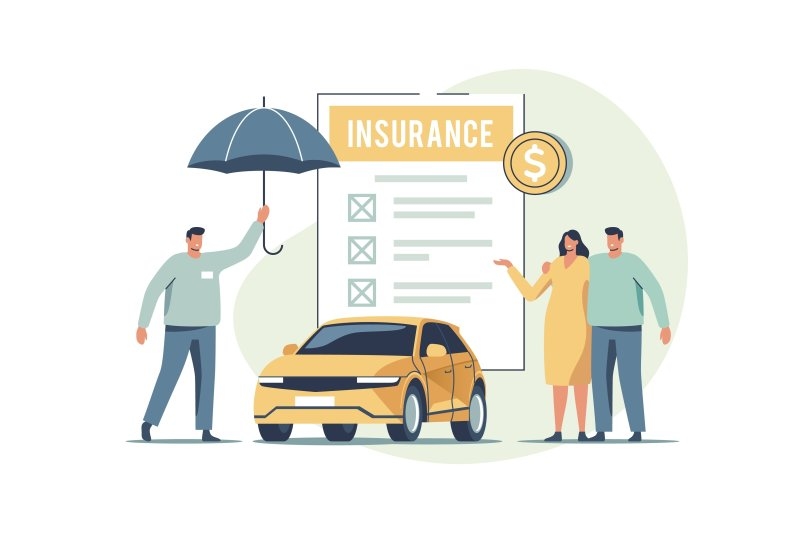
Speed matters, but accuracy matters more. A comparison site can show a broad price range in minutes, while a local independent agent may catch coverage gaps that a quick online form misses.
Use at least three quote sources: one national carrier, one regional carrier, and one independent agency or marketplace. Drivers looking for insurance for 23-year-old driver rates often find that smaller regional insurers compete strongly in certain states, especially for clean records.
Direct Carriers, Agents, and Comparison Sites
Each quote channel has a different strength. The smartest approach is to use them together, then confirm the final price directly before you buy.
| Quote source | Best use | Watch for |
| Direct insurer website | Fast quotes and easy discount checks | Limited view of competitors |
| Independent agent | Access to multiple auto insurance providers | May not represent every major carrier |
| Comparison marketplace | Quick side-by-side starting point | Follow-up calls or lead sharing |
After you narrow the list, check financial strength ratings from AM Best or a similar rating agency. A low premium loses value if the company has poor claim handling, slow repairs, or weak customer support after an accident.
Match Coverage to Your Real Driving Life
Minimum coverage may satisfy the law, but it can leave you exposed after a serious crash. If you commute daily, carry passengers, drive for school or work, or have savings to protect, higher liability limits are often worth pricing.
Young adults also change situations quickly. Moving from a campus apartment to a city commute, adding a partner to a policy, or switching from a borrowed car to your own vehicle can all change which auto insurance providers offer the best fit.
Coverage Choices That Deserve a Second Look
Collision coverage pays for damage to your car after an accident, regardless of fault, after your deductible. Other-than-collision coverage usually applies to theft, hail, fire, vandalism, animal strikes, and similar non-crash events.
Rental reimbursement is easy to dismiss until your car sits in a repair shop for 12 days. If you don’t have another way to get to work, a small monthly add-on can be more practical than a bare-bones policy.
Telematics programs can help safe drivers, but read the rules before enrolling. Some carriers use hard braking, late-night driving, mileage, and phone handling to set renewal prices, so a discount trial may not suit every schedule.
Must Read: 5 Different Types of Insurance Plans that Adults Must Have
Conclusion
Bottom line: the best auto insurance comparison is the one that keeps quote details consistent, checks multiple sources, and weighs coverage quality against price. For 22- and 23-year-old drivers, a slightly higher premium can be the smarter buy if it prevents a major out-of-pocket loss.
Shop before renewal, after birthdays, after a move, and any time your vehicle or commute changes. Keep a clean record, ask for every discount, and compare policies by total six-month or annual cost rather than the smallest monthly payment.
Frequently Asked Questions
Does car insurance get cheaper at 23?
Yes, it usually drops if your record stays clean and your credit, vehicle, and address do not raise risk. The change is often modest at 23, bigger after several claim-free years, and most noticeable around 25, though every insurer prices age differently by state and gender where allowed.
Should a 22-year-old buy full coverage?
Full coverage makes sense if you finance or lease the car, or if replacing it after a crash would strain your savings. For an older paid-off car worth under a few thousand dollars, compare the annual collision and other-than-collision cost with the vehicle’s realistic value.
How often should young drivers compare quotes?
Get quotes about 30 days before renewal, then repeat after a move, birthday, car purchase, ticket falling off, or major credit change. Young drivers should also check every six months because rating models and discounts can shift quickly during early driving years without any notice from you.
Is staying on a parent policy cheaper?
A parent policy is often cheaper if you live at the same address and the insurer allows it. A separate policy can make sense after you move out, own the car yourself, or need different liability limits for work, school, or a long commute in another city.
Which discounts are eligible for drivers aged 22 and 23?
Some of the discounts that young drivers can be eligible for include the good student discount, defensive driving discount, low mileage discount, safe driver discount, telematics discount, and bundling discounts.
This content was created by AI



©2026 InsuranceAndLeisure.com, All Rights Reserved