Comprehensive Car Insurance: How to Choose the Best Policy?


Key Takeaways
- Blocking Massive Random Threats: Side contracts handle weird, parked disasters like stolen trucks, heavy garage fires, brutal hail, and smashed deer. This guarantees absolute financial backup when drivers battle crazy weather drops and outright crimes.
- Balancing The Monthly Math: Pushing that upfront damage fee higher immediately crushes the standard monthly renewal bill. Picking massive deductibles slashes immediate rates entirely but demands holding heavy bank cash just to survive sudden bumper repairs after crashes.
- Checking The Actual Backers: Picking random companies goes totally beyond reading cheap rate tags. Drivers absolutely must check heavy bank reserves, fast adjustment speeds, and real online reviews to guarantee those corporate suits actually mail checks.
Are you looking to upgrade your car insurance but don't know where to start? Comprehensive car insurance is becoming increasingly popular due to its wide range of benefits. But how do you choose the best coverage for your needs? Read on to find out all you need to know about the ultimate guide to choosing the best comprehensive car insurance.
What is Comprehensive Car Insurance?
First up, let's take a look at what comprehensive car insurance actually is. Comprehensive car insurance is a type of auto insurance policy that provides protection for your vehicle in the event of damage, theft, or liability for property damage or bodily injury. It also covers legal costs associated with a lawsuit should you be involved in an accident. Comprehensive coverage is typically the most expensive type of car insurance, but it offers the most comprehensive protection for your vehicle.
Coverage of Comprehensive Car Insurance
Comprehensive car insurance covers a range of potential risks, from repairs due to accidental damage to your vehicle to theft and fire damage. It also covers damage to other people's property or medical expenses in the event of an accident. Depending on the provider, comprehensive car insurance may also cover damage caused by natural disasters, vandalism, and even animal collisions.
Comparing Policies of Comprehensive Car Insurance
When it comes to comparing comprehensive car insurance policies, there are a few key factors to consider.
- It is important to assess the level of coverage, such as the maximum amount of money you can claim, and the type of coverage offered.
- It is also important to consider the deductibles and premiums, as these will affect the cost of your policy.
- Additionally, you should take a look at the insurer's customer service and claims process, as this can make a big difference.
Choosing the Right Deductible
The deductible is the amount of money you must pay out-of-pocket before your comprehensive car insurance kicks in. Choosing the right deductible can be a tricky process, as it affects both the cost of your policy and the amount of protection you receive. Generally, the higher the deductible, the lower the premium. However, if you choose a deductible that is too high, you may not be able to afford the repairs or medical bills if you are involved in an accident.
Understanding the Different Types of Comprehensive Car Insurance
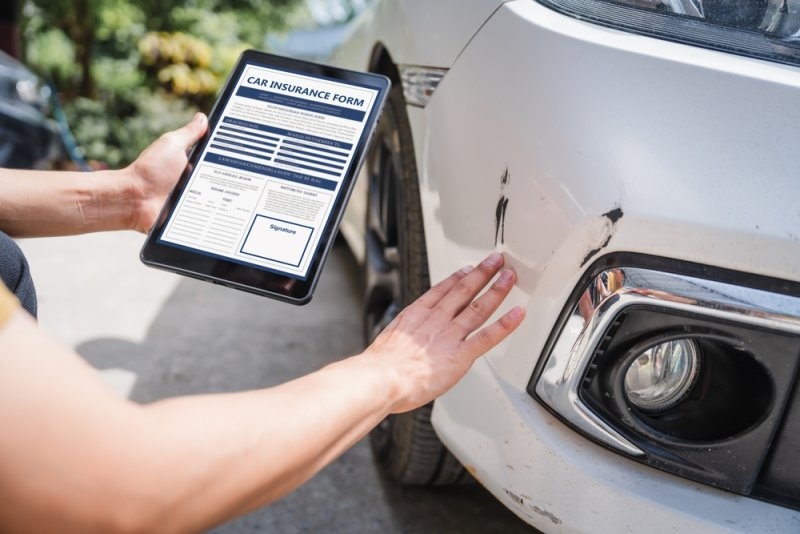
Comprehensive car insurance comes in a variety of forms, from full coverage policies to those that offer only basic protection.
- Full coverage policies typically include the costs of repairs for damage to your car.
- Liability coverage for other people's property and medical bills.
- Basic coverage policies typically only cover legal costs associated with a lawsuit should you be involved in an accident.
Researching the Different Insurance Providers
When it comes to choosing the best comprehensive car insurance provider, it's important to do your research. There are a number of different insurers on the market, so it's important to compare their offerings and read customer reviews. It's also worth checking the financial stability of the insurer, as this can affect their ability to pay out in the event of an accident.
Considering Additional Coverages
In addition to the standard comprehensive car insurance coverage, there are a number of additional coverages you can consider. These include personal injury protection, which covers medical bills for you and your passengers, and uninsured motorist coverage, which covers damages caused by an uninsured motorist. Additionally, you may want to consider gap insurance, which covers the difference between what you owe on your car loan and what your insurance company will pay if your car is totaled.
Staying Up-to-Date on Changes to Comprehensive Car Insurance
Finally, it's important to stay up-to-date on any changes to comprehensive car insurance policies. Insurance laws and regulations can vary from state to state, so it's important to keep an eye out for any changes that could affect your coverage. Additionally, insurers may change their pricing and coverage options, so it's worth monitoring these on a regular basis.
Conclusion
In conclusion, choosing the right comprehensive car insurance policy is crucial for protecting your vehicle and your financial well-being in the event of an accident. By understanding the different types of coverage, choosing the right deductible, researching different insurance providers, and considering additional coverages, you can ensure that you are getting the protection you need at a price you can afford. By staying up-to-date on changes to insurance laws and regulations, you can also ensure that your coverage remains relevant and effective. With the information and tips provided in this ultimate guide, you can confidently choose the best comprehensive car insurance policy for your needs and drive with peace of mind.
Frequently Asked Questions
What exactly does comprehensive car insurance cover?
This side paper fixes brutal damage happening completely outside normal driving control. It funds heavy shop bills following crazy floods, street vandals, fires, and theft.
How does the deductible affect the total cost of the policy?
Upfront fees and monthly bills totally fight each other. Taking massive upfront damage risks completely slashes normal rates, while tiny deductibles guarantee incredibly expensive bills.
What additional coverages pair well with a comprehensive policy?
Smart drivers usually attach deep medical papers for hospital trauma, uninsured driver clauses to block broke drivers, and gap contracts strictly to nuke leftover bank notes when totally smashed cars get legally scrapped.
Why is an insurance provider's financial stability important?
Those big corporate desks need massive bank vaults just to handle crazy town-wide disasters simultaneously. Heavy cash reserves guarantee those backing funds actually exist before mailing huge settlement checks after massive highway pileups.
Why do drivers need to monitor their policies annually?
Local driving rules and exact garage costs shift incredibly fast. Reading the paperwork yearly guarantees maximum legal defense matches totally current mechanic shop prices.
This content was created by AI




©2026 InsuranceAndLeisure.com, All Rights Reserved