Term vs. Whole Life Insurance: Which One is Right for You?


Nobody sits down one morning and thinks, "Today feels like a great day to sort out life insurance." It's one of those things you know you should handle but keep pushing off. If people depend on your income, though, that delay carries real consequences.
When you finally start looking, the first wall you hit is figuring out the difference between term and whole life insurance. Both come up constantly, both have passionate supporters, and most online explanations either oversimplify or overwhelm you.
This guide does neither. You'll get a straight answer on term vs. whole life insurance, what it costs, and the full term life vs. whole life insurance pros and cons so you can decide which is better, term or whole life insurance, for your specific situation.
What is Term Life Insurance?
You pick a coverage period, typically 10, 20, or 30 years, pay a fixed monthly premium, and if you die during that window, your family receives a tax-free lump-sum payout. If you're still alive when the term ends, the policy simply expires. No payout, no cash back, no lingering value.
Term life does one thing: it replaces your income for your family if you're gone too soon. And it does that at a price most working Americans can actually afford.
Cost and Key Features
A healthy 30-year-old male buying $500,000 of 20-year term coverage pays around $28 per month based on 2026 rate data. Women typically pay a bit less. Your rate locks in on day one and stays fixed for the entire term.
The catch comes at the end. Once your policy expires, so does your coverage. Applying again as an older person, possibly with new health issues, usually means much higher premiums. That's why many term policies include a conversion option, which lets you switch to a permanent policy without a new medical exam, locking in your original health rating. Most people never use it, but if your health changes before the term ends, it could be the most valuable feature in your policy.
What is Whole Life Insurance?
Whole life insurance has no expiration date. Keep up with your premiums, and you're covered until you die, plain and simple. On top of that, a portion of what you pay builds into cash value over time, growing at a fixed, tax-deferred rate year after year.
That's where it splits from term life. Term is purely a safety net for the years you're still earning, while whole life turns into a permanent financial asset, one that pays out a death benefit and quietly grows value in the background.
Cash Value and Cost
Each premium you pay gets divided; part of it goes toward your coverage, and the rest flows into a cash account that grows over time. Once that balance reaches a point where it's actually useful, you can borrow against it, let it cover your future premiums, or pull from it when money gets tight. If your policy is through a mutual insurer, you may also see annual dividends land in that account, adding to it steadily across the years.
The trade-off is cost. A healthy 35-year-old looking at $500,000 of whole life coverage should budget between $300 and $500 per month based on 2026 market data, compared to $25 to $40 per month for a comparable term policy. The insurer charges more because it guarantees an eventual payout and funds your cash account at the same time.
Term vs. Whole Life Insurance: Side-by-Side Comparison
Put term vs. whole life insurance side by side, and the contrast becomes pretty clear.
| Feature | Term Life | Whole Life |
| Coverage length | 10 to 30 years | Lifetime |
| Monthly cost | Lower | Much higher |
| Cash value | None | Guaranteed growth |
| Death benefit | Paid only if death occurs during the term | Guaranteed payout |
| Estate planning | Not suitable | Strong fit |
| Tax advantages | A death benefit is income-tax-free | Cash value grows tax-deferred |
When weighing term vs. whole life insurance, young families, homeowners still chipping away at a mortgage, or anyone who just needs strong coverage without a hefty bill each month, term is usually where they land
Whole life works well for people needing permanent coverage, a conservative savings component, or those with estate planning and legacy goals.
Explore More: Term vs Permanent Life Insurance Explained Simply For You
Term Life vs. Whole Life Insurance Pros and Cons
Every policy has trade-offs. Here's what each one gets right and where it falls short.
| Term Life | Whole Life | |
| Pros | Affordable premiums, straightforward structure, and large coverage amounts available | Lifetime coverage, builds cash value, guaranteed payout regardless of when you die |
| Cons | Expires with no payout, no savings component, costly to renew once the term ends | Much higher premiums, slower cash growth, and more complex to understand |
Strip it back to basics: the term "temporary" is affordable; whole life is permanent and a lot more expensive. That's the core difference between term and whole life insurance. Neither is objectively better. Which is better, term or whole life insurance, depends entirely on what you need coverage to do for you.
How to Choose Between Term and Whole Life Insurance?
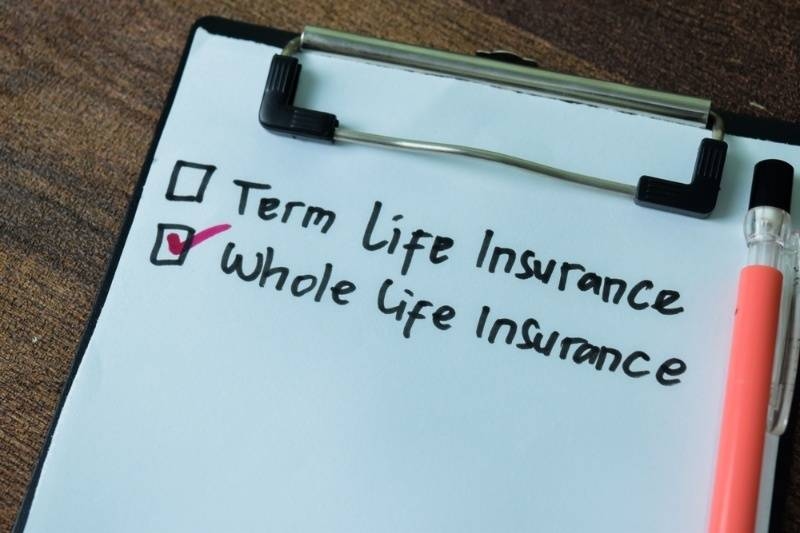
Figuring out how to choose between term and whole life insurance comes down to where you are right now, not where you hope to be.
Young Family, Tight Budget
Term life is almost always the right first step. Your job is to protect your family's income while the kids are young and the mortgage isn't paid off. A 20- or 30-year convertible term policy gives you the most coverage for the least money. Avoid 10-year terms unless your financial obligations are genuinely short-lived.
Mid-Career With Growing Assets
Your term coverage may be winding down just as your financial picture gets more complex. Estate planning starts entering the conversation. Converting part of your existing term policy to whole life, or adding a smaller permanent policy alongside it, could make sense at this stage. A fee-only financial advisor can help you think it through without a conflict of interest.
Lifelong Dependents or Legacy Goals
If someone will rely on you financially for the rest of your life, a child with special needs, a spouse who can't work, or a business you want to protect, whole life is often the right call. It guarantees a payout no matter when you die, making it reliable for funding a trust or leaving a specific inheritance.
The Laddering Approach
Laddering means buying a modest whole life policy as a permanent base and layering term coverage on top during the years when your obligations are highest. As the mortgage clears and your kids become independent, the term layers expire, and your monthly costs drop naturally. You end up with lifetime protection without overpaying during years when you temporarily need more.
Must Read: What Happens Financially If You Die Without Life Insurance?
Conclusion
The debate doesn't have one right answer. Term gives you strong, affordable protection during the years your family depends on you most. Whole life gives you coverage that never runs out, plus a financial asset that grows alongside it.
For most Americans, term life is the smarter first move. As income grows and goals shift toward legacy planning, whole life often starts making sense as an addition. Check what your employer offers first, then get a term quote to see what real coverage costs today. Before committing to a whole life, talk to a fee-only advisor, someone paid for advice rather than for what you buy from them.
Frequently Asked Questions
What is the main difference between term and whole life insurance?
Term life covers you for a fixed number of years and pays out only if you die within that period. Whole life is permanent and builds cash value over time. Term costs significantly less each month. A whole life policy costs more but provides lifelong protection and a financial asset you can access while still alive.
Which is better, term or whole life insurance, for a young family?
For most young families, term life is the better choice. It provides a large death benefit at the lowest monthly cost during the years when financial obligations are heaviest. A convertible 20 or 30-year term policy offers the best value and keeps your options open as your situation evolves.
Can you switch from term to whole life insurance later?
Yes. Many term policies include a conversion option, letting you move to a permanent policy without a new medical exam. This is especially valuable if your health changes after your original purchase. Always confirm a conversion option is included before signing any term policy.
This content was created by AI




©2026 InsuranceAndLeisure.com, All Rights Reserved