What is Travel Protection vs Travel Insurance in Insurance?


Quick Takeaways
- Understanding travel protection vs. travel insurance helps travelers choose the right safeguard for prepaid trip investments.
- Data from the U.S. Travel Association indicates that unexpected flight delays and cancellations impact millions of leisure travelers each year.
- Travel protection packages often bundle tour operator waivers with basic travel perks, whereas travel insurance is a regulated financial product.
- Comprehensive travel insurance plans provide essential medical evacuation and emergency healthcare coverage during overseas journeys.
- Selecting appropriate trip protection prevents significant out-of-pocket losses during severe weather events or sudden health emergencies.
Planning your dream vacation brings incredible excitement, but unexpected flight disruptions or sudden illnesses can quickly derail your carefully laid plans. Evaluating travel protection vs. travel insurance allows smart travelers to safeguard non refundable deposits against unforeseen disruptions.
According to consumer financial reports from Experian, over 40% of international travelers face unexpected trip interruptions or medical emergencies while abroad, making proper coverage essential.
Understanding your protection options ensures you avoid paying out of pocket when travel plans change unexpectedly. Many vacationers confuse travel protection waivers offered by cruise lines or tour operators with licensed insurance policies backed by regulated underwriters. In this comprehensive comparison guide inspired by Experian, we will break down key policy differences, review coverage limits, compare costs, evaluate international benefits, and answer your top travel protection questions.
What is Travel Protection?
Travel protection is a broad service package offered primarily by travel suppliers, such as cruise lines, tour operators, or booking platforms, designed to offer flexibility and assistance during a trip.
Rather than functioning as a licensed financial product, travel protection usually bundles supplier-specific cancellation waivers, fee credits, and basic travel assistance services. If you need to cancel or alter your trip under a protection plan, the provider often compensates you through vouchers or credits for future travel with that specific company rather than providing a direct cash refund.
Try This: Which Travel Protection Plan is Right for Your Journey?
What is Travel Insurance?
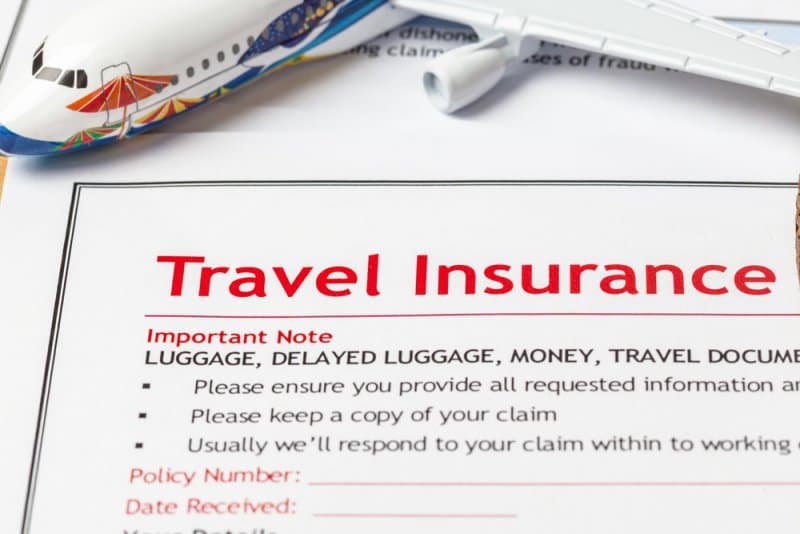
Travel insurance is a formal, regulated financial product underwritten by licensed insurance companies and governed by state insurance agencies.
It provides binding financial protection against specific covered risks, reimbursing out-of-pocket losses with direct monetary payouts. Travel insurance policies cover a wide spectrum of travel mishaps, including emergency medical treatment abroad, emergency medical evacuations, non-refundable trip cancellations, lost baggage, and trip interruptions due to severe weather or illness.
What is the Core Difference Between Travel Protection and Travel Insurance?
Distinguishing the legal and functional difference between travel protection and travel insurance is critical before purchasing any vacation coverage.
Travel protection is typically a broad consumer package sold directly by tour companies, cruise lines, or travel booking sites. It usually consists of cancellation waivers, fee credits, and basic travel assistance services provided directly by the supplier.
In contrast, travel insurance is a formal legal insurance policy regulated by state insurance commissioners. It is underwritten by licensed insurance companies to provide direct financial reimbursement for covered losses, medical emergencies, lost baggage, and severe travel delays.
Comparing Travel Protection vs Travel Insurance Coverage
Evaluating travel protection vs. travel insurance coverage requires examining what specific risks each option covers during your trip:
| Coverage Feature | Travel Protection Packages | Regulated Travel Insurance Plans |
| Emergency Medical Expenses | Rarely included or very limited | Comprehensive coverage up to primary policy caps |
| Emergency Medical Evacuation | Excluded in most basic waivers | Covered up to high policy limits |
| Trip Cancellation Reimbursement | Often issued as future travel credits | Direct monetary cash reimbursement |
| Baggage Loss and Delay | Basic assistance services | Financial compensation for lost items |
| Regulatory Consumer Protections | Unregulated supplier waivers | State-regulated financial insurance standards |
Key Factors in Travel Protection vs Travel Insurance Cost
Analyzing travel protection vs. travel insurance cost structures helps budget-conscious travelers select cost-effective trip safeguards.
Supplier travel protection waivers often carry flat pricing structures ranging from $50 to $150 per passenger regardless of age or medical history. However, these waivers usually return non-refundable funds as supplier-specific travel credits rather than cash refunds.
Regulated travel insurance premiums generally cost between 4% and 10% of your total non-refundable trip costs. Pricing depends directly on traveler age, trip duration, total cost, and selected coverage tiers. Paying for regulated insurance ensures cash refunds for covered cancellations rather than restrictive future travel vouchers.
Evaluating Travel Protection vs Travel Insurance Benefits
Comparing travel protection vs. travel insurance benefits reveals distinct advantages depending on your specific itinerary needs.
Travel Protection Waiver Benefits
Protection waivers work well for domestic trips booked through single tour vendors. They allow the following:
- Flexible cancellation policies for minor reasons
- Enabling travelers to reschedule vacations without losing initial deposit funds entirely.
Comprehensive Travel Insurance Benefits
Comprehensive travel insurance provides essential financial safety nets for complex multi-vendor trips. Key benefits include:
- Cancel For Any Reason (CFAR) add-ons
- Primary medical coverage
- Baggage protection
- 24/7 global emergency assistance networks
Essential Reads: Why Travel Insurance is a Must for 2024 U.S. Road Trips
Travel Protection vs Travel Insurance for International Trips
Evaluating travel protection vs. travel insurance for international trips is vital because domestic health insurance rarely extends abroad.
Most domestic health insurance plans offer zero coverage once you cross international borders. Basic travel protection waivers sold by cruise lines or tour operators do not cover hospital bills, surgical fees, or emergency medical evacuations.
Choosing comprehensive travel insurance for international journeys guarantees primary medical coverage, emergency transportation, and repatriation assistance. It protects your family from massive medical debt during health emergencies in foreign countries.
Analyzing Travel Protection vs Travel Insurance for Trip Cancellation
Understanding travel protection vs. travel insurance for trip cancellation helps you select appropriate policy terms for unexpected schedule changes:
- Supplier Waiver Cancellations: Allow cancellation for specific vendor reasons, returning funds primarily as credit vouchers for future trips.
- Standard Insurance Cancellations: Reimburse 100 percent of non-refundable cash deposits for covered reasons like illness, injury, severe weather, or jury duty.
- Cancel For Any Reason (CFAR) Upgrades: Allow travelers to cancel trips for any personal reason up to 48 hours before departure, recovering up to 75 percent of prepaid costs.
Comparing travel insurance vs. trip protection options ensures your non-refundable investments remain fully protected.
Conclusion
Understanding travel protection vs travel insurance is essential for safeguarding your financial investments and personal health while traveling. Throughout this comparative guide, we explored core policy definitions, analyzed coverage features, evaluated pricing structures, examined international medical needs, and detailed trip cancellation terms.
While supplier waivers offer simple cancellation flexibilities for domestic trips, regulated travel insurance delivers comprehensive financial reimbursement and crucial medical protection overseas. Taking time to select the right coverage tailored to your itinerary ensures total peace of mind throughout your journey. Protecting your getaway allows you to focus on creating unforgettable vacation memories without worry.
Are you ready to safeguard your upcoming vacation and travel with complete financial confidence? Explore expert coverage guides, policy comparison tools, and tailored travel solutions today to secure your peace of mind!
FAQs
Is travel protection worth it for a vacation?
Travel protection is worth considering for simple domestic trips where flexible cancellation waivers provide peace of mind. However, for expensive or complex vacations, comprehensive travel insurance offers far greater value by providing cash refunds, emergency medical coverage, and regulatory protections that basic waivers lack.
Do I need travel insurance or travel protection?
You need travel insurance if you are traveling internationally, booking expensive non-refundable arrangements, or requiring emergency medical coverage. Travel protection waivers suffice primarily for short domestic trips where you only want flexibility to cancel or reschedule through a single tour vendor.
Does travel protection cover medical emergencies?
Basic travel protection waivers sold by tour operators rarely cover medical emergencies or hospital bills. Comprehensive travel insurance policies are required to cover emergency medical treatment, hospital stays, doctor fees, and air ambulance evacuations while traveling away from home.
When should you buy travel insurance instead of travel protection?
You should buy travel insurance instead of travel protection when traveling overseas, taking cruises, managing pre-existing medical conditions, or booking complex itineraries involving multiple airlines and hotels. Insurance guarantees direct financial reimbursement and global medical support that supplier protection packages cannot provide.
What is the advantage of travel protection vs. travel insurance for cruise trips?
Cruise travel protection waivers offer convenient cancellation credits through the cruise line. However, comprehensive cruise travel insurance provides essential coverage for missed port connections, severe weather disruptions, onboard medical treatment, and emergency airlift evacuations from ships at sea.
This content was created by AI



©2026 InsuranceAndLeisure.com, All Rights Reserved