How to Choose the Best Auto Insurance by Age and Vehicle?


Key Takeaways
- Although young motorists typically have higher premiums, a safe driving record, a good student discount, and a family plan are among the ways to reduce premium costs.
- Type of vehicle, cost of repairs, safety features, and risk of theft greatly influence auto insurance rates.
- Comparison of coverage limits, deductibles, discounts available, and claims handling helps find affordable insurance with proper financial protection.
A 19-year-old in a sports coupe and a 45-year-old in a paid-off sedan can pay very different prices for the same coverage limits. The best auto insurance by age and vehicle depends on crash risk, repair costs, driving experience, and how much financial protection you need.
This guide is for drivers comparing real options, parents pricing car insurance for young drivers, and shoppers deciding whether a cheaper quote is actually safer. You’ll learn how age bands and vehicle types change the search, then how to compare insurers without guessing.
Best Auto Insurance by Age and Vehicle: What Changes Rates?
Insurers price policies around probability. Age helps predict driving experience and claim frequency, while the vehicle tells the company how expensive a repair, theft, injury claim, or total loss may be. Your ZIP code, annual mileage, credit-based insurance score in many states, and prior claims can shift the quote again.
Coverage choices matter just as much as the company name. A state-minimum policy may look cheap, but it can leave you exposed after a serious crash. Full coverage usually means liability plus collision and comprehensive coverage, although the exact package varies by insurer.
| Driver or vehicle factor | Why it affects price | Practical move |
| Teen or new driver | Higher crash frequency | Compare family policy and separate policy pricing |
| EV or luxury vehicle | Higher parts and labor costs | Check repair network access before buying |
| Older paid-off car | Lower replacement value | Review collision and comprehensive deductibles |
Age-Based Choices From 18 to 25
Young drivers often see the steepest premiums because they have limited road history. For car insurance for young drivers, the strongest options are usually insurers with good-student discounts, telematics programs, driver training credits, and accident forgiveness rules that are clear in writing.
Prices tend to improve after several claim-free years, but the drop is rarely automatic or identical across carriers. Shop at renewal, after moving, after a birthday, and after any major vehicle change. A clean record for 36 months can make a bigger difference than one small discount.
Car Insurance for 18-Year-Olds
At 18, a driver is often cheapest on a parent’s policy if the household and vehicle ownership rules allow it. With car insurance for 18-year-olds, compare at least three quotes using the same liability limits, then test the price difference between a $500 and $1,000 deductible. A cheap standalone policy can lose its appeal if it strips away useful coverage.
Car Insurance for 22-Year-Olds
By 22, insurers may start giving more credit for stable driving history, especially with no tickets or at-fault accidents. Car insurance for 22-year-olds can improve further if you bundle renters insurance, complete a defensive driving course where eligible, or enroll in usage-based pricing. Avoid reducing liability limits just to save a few dollars per month.
Also check: Best Auto Insurance Comparison for 22- & 23-Year-Old Drivers
car insurance for 25-year-olds
Around 25, many drivers see lower rates, though location and claims history still carry weight. Car insurance for 25-year-olds is a good time to compare regional carriers against national brands, because smaller insurers sometimes price safer adult drivers more aggressively. If you commute less than 7,500 miles a year, ask about low-mileage pricing.
Matching Coverage to the Vehicle You Drive
The car itself can change the right insurer. A compact used sedan, a financed pickup, and a high-performance EV all create different claim costs. Before you buy a vehicle, get insurance estimates using its VIN or exact trim level, not just the model name.
Lenders usually require collision and comprehensive coverage until the loan is paid. If you own the car outright, you have more flexibility, but dropping coverage should be a math decision. Compare the annual premium against the car’s value and your ability to replace it after a total loss.
EV and Tesla Model Y Considerations
Electric vehicles can be efficient to own, but insurance may cost more because of battery systems, sensors, aluminum bodywork, and specialized repairs. The best insurance for Tesla Model Y often comes from carriers that understand EV repair networks and offer fair parts availability, rental reimbursement, and glass coverage.
For shoppers comparing the best insurance for the Tesla Model Y, don’t look only at the monthly premium. Ask whether the insurer allows repairs at Tesla-certified facilities, how it handles calibration after windshield replacement, and whether OEM parts are available under the policy. Those details matter after a real claim.
Older, Paid-Off, or Low-Mileage Cars
An older vehicle doesn’t always need full coverage, but don’t cancel it blindly. If your car is worth $4,000 and collision costs $700 a year with a $1,000 deductible, the value of that coverage may be limited. Liability, uninsured motorist coverage, and medical payments can still be smart.
Low-mileage drivers should ask for pay-per-mile or telematics quotes. These programs track mileage, braking, acceleration, and sometimes time of day. They’re best for careful drivers who don’t mind sharing driving data and can beat traditional pricing by meaningful amounts.
How to Compare the Best Auto Insurance Companies?
Price matters, but a policy is only useful if the claims process works when you need it. Compare financial strength ratings, complaint indexes from state insurance departments, repair satisfaction, mobile app quality, and how easy it is to reach a licensed agent. The cheapest quote can become expensive if claims drag for weeks.
The best auto insurance companies also make discounts easy to understand. Look for savings tied to safe driving, multiple policies, multiple vehicles, anti-theft equipment, paperless billing, automatic payments, and paid-in-full billing. Ask for a quote both with and without telematics so you know the tradeoff.
Quote Details That Change the Real Price
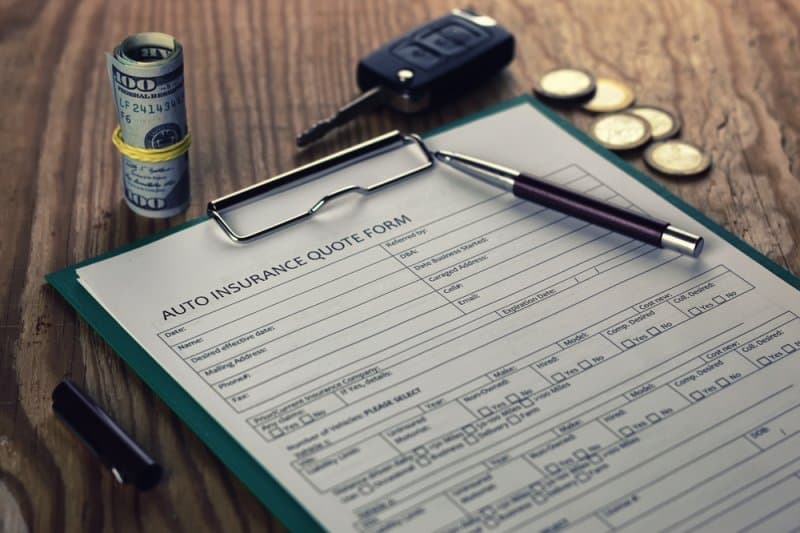
Use the same inputs across every quote or the comparison will be misleading. Match liability limits, deductibles, rental reimbursement, roadside assistance, uninsured motorist coverage, and medical coverage. If one quote is far cheaper, check for missing collision or lower bodily injury limits.
A clean comparison takes about 30 minutes if you prepare before calling or applying online. Have these details ready:
- Driver names, birth dates, license numbers, and recent ticket history
- Vehicle VINs, mileage, ownership status, and safety features
- Current declarations page showing limits and deductibles
- Estimated annual mileage and regular parking address
Must Read: Comprehensive vs. Basic Travel Insurance: Smart Picks
Conclusion
Bottom line: the best auto insurance by age and vehicle is the policy that prices your actual risk fairly while protecting you from losses you couldn’t comfortably pay yourself. Young drivers should focus on discounts and clean-record momentum, while EV and luxury owners should inspect repair rules closely.
Don’t shop once and forget it. Requote after birthdays, moves, vehicle purchases, paid-off loans, and three claim-free years. The right insurer can change as your driving profile changes, and that is normal.
Frequently Asked Questions
What age pays the most for car insurance?
Teen drivers usually pay the most because insurers see the highest crash risk in the first years of licensed driving. Rates often improve after several claim-free years, with more noticeable relief in the mid-20s, though tickets, location, vehicle type, and coverage limits can override age-based savings.
Is a newer car always more expensive to insure?
A newer car often costs more to insure because replacement parts, sensors, and labor can be pricier. It isn’t automatic, though. A newer vehicle with strong safety ratings, low theft risk, and modest repair costs may price better than an older performance model or frequently stolen vehicle.
How often should I compare auto insurance quotes?
Compare quotes at least once a year and after major life changes such as moving, adding a driver, buying a car, paying off a loan, or improving your credit where allowed. Renewal periods are ideal because you can switch without rushing or creating a coverage gap.
Should I buy minimum liability coverage only?
Minimum liability coverage is legal in many states, but it may be too low after a serious crash. If injuries or property damage exceed your limits, you could owe the difference personally. Higher liability limits are often affordable and give much better protection for savings and wages.
Does the kind of vehicle you drive affect your auto insurance premiums?
Yes, your vehicle’s brand, year, safety rating, and how expensive it is to fix, among other things, will help determine the cost of your insurance. Sports cars and high-end cars tend to cost more than others.
This content was created by AI


©2026 InsuranceAndLeisure.com, All Rights Reserved