How Does Travel Insurance for Pregnancy Protect You?

Quick Takeaway
- Comprehensive travel insurance for pregnancy safeguards expectant mothers against unexpected medical complications abroad.
- Modern alternative fashion offers diverse subgenres ranging from everyday casual grunge and streetwear to opulent Victorian dark romance.
- Investing in quality corset craftsmanship and structured dark silhouettes keeps your wardrobe timeless, durable, and expressive.
- Specialized alternative labels provide unique non-traditional bridal attire like dramatic black lace gowns that challenge conventional fashion norms.
- Exploring online dark fashion stockists helps you discover independent designers who prioritize sustainable production and ethical manufacturing practices.
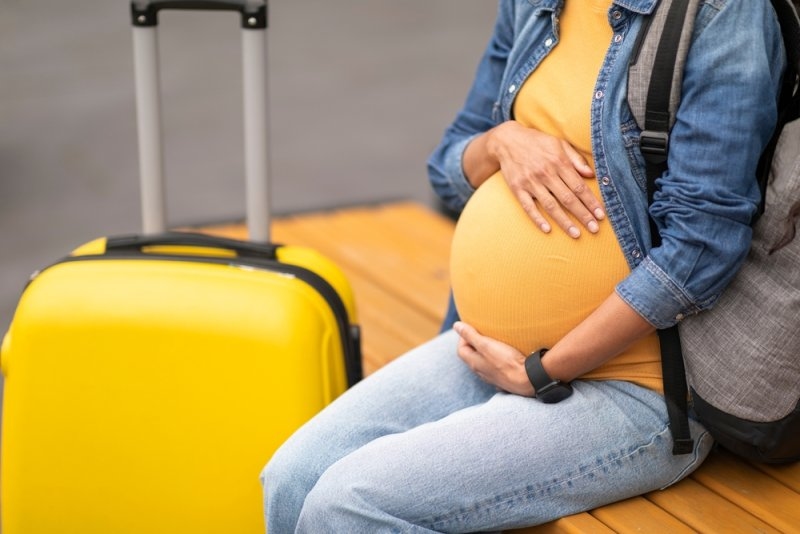
Planning a getaway while expecting can feel like a dream, but securing specialized travel insurance for pregnancy is crucial before booking flights. According to reports from the American College of Obstetricians and Gynecologists, the safest time for women to travel is during the second trimester, when emergency risks remain relatively low.
However, sudden medical complications can arise anywhere, turning a serene babymoon into a financially stressful ordeal.
Many expecting parents mistakenly assume standard medical policies cover all maternal health needs in foreign countries. In this comprehensive guide, we will unpack how travel insurance pregnancy coverage works, pregnancy travel insurance coverage, explore key policy inclusions, highlight travel insurance for pregnancy emergencies, highlight critical exclusions, and explain how to pick the ideal plan for a worry-free trip.
Does Travel Insurance Cover Pregnancy Emergencies?

A common question among expectant mothers is, does travel insurance cover pregnancy? The short answer is yes, but coverage focuses strictly on unforeseen medical emergencies rather than routine care.
What Does Travel Insurance Pregnancy Coverage Do?
Standard medical plans provide crucial protection when unexpected health issues occur away from home. Emergency pregnancy medical travel insurance covers sudden, life-threatening events that require immediate clinical intervention.
- Covered Complications: Conditions like preeclampsia, gestational hypertension, hyperemesis gravidarum, or unexpected placenta previa.
- Emergency Medical Evacuation: Transport to the nearest suitable hospital if local medical facilities are inadequate.
Key Benefits of Travel Insurance for Pregnant Women
Securing specialized travel insurance for pregnant women provides peace of mind while away. These tailored policies protect your health and financial investment against unexpected changes in your health status.
- Trip Cancellation: Reimbursement if your doctor advises against travel due to sudden pregnancy complications before departure.
- Hospitalization Costs: Coverage for emergency room visits, physician fees, and emergency diagnostic scans abroad.
What are the Important Limits and Pregnancy Travel Insurance Exclusions?
Insurance companies maintain strict guidelines regarding maternity claims. Understanding these rules helps avoid unexpected out-of-pocket expenses during your trip.
Gestation Age Cutoffs
Most providers enforce strict gestation limits for active coverage. Standard pregnancy travel insurance usually covers travelers up to 24 or 36 weeks, depending on the insurer and whether you carry multiples. Traveling beyond these specified weeks automatically voids emergency maternity benefits.
Common Policy Exclusions
Every policy details specific pregnancy travel insurance exclusions that travelers must review carefully.
| Category | Policy Coverage Status | Details & Description |
| Routine Care | Excluded | Routine prenatal checkups, scheduled scans, and non-emergency appointments |
| Standard Delivery | Excluded | Normal, uncomplicated childbirth and voluntary delivery abroad |
| Fertility Treatments | Excluded | Complications arising directly from ongoing IVF or fertility care |
Furthermore, pre-existing complications or high-risk pregnancies usually require special underwriting approval before policy issuance.
How to Choose the Best Travel Insurance for Pregnant Travelers?
Finding the right policy requires careful evaluation of your health needs and travel plans. Here are essential steps for travel insurance for pregnant travelers to follow:
Evaluate Coverage Limits
Ensure the policy offers high medical coverage limits, ideally $100,000 or higher, especially when traveling to countries with expensive healthcare systems.
Disclose Pre-existing Conditions
Always inform your insurer about pre-existing conditions, such as high blood pressure or previous pregnancy issues. Full disclosure guarantees your claim remains valid if an emergency occurs.
Confirm Medical Repatriation Benefits
Comprehensive travel insurance for maternity emergencies must include medical evacuation. This benefit pays for special transportation back home if long-term hospital care becomes necessary.
Conclusion
Traveling while expecting is an exciting milestone, but navigating foreign destinations requires proactive planning and reliable financial protection. Tailored travel insurance safeguards your health, protects your budget, and ensures instant access to emergency medical care wherever your journey takes you. By understanding policy cutoffs, reviewing exclusions, and selecting comprehensive coverage, you can enjoy a safe and memorable vacation with complete peace of mind.
Ready to embark on your next journey with absolute confidence? Safeguard your trip today with reliable medical protection designed to support you every step of the way!
FAQs
What Happens if You Go Into Premature Labor While Traveling Abroad?
Going into premature labor abroad is treated as a serious medical emergency under comprehensive travel insurance policies. Your policy typically covers emergency hospital admissions, delivery care, and immediate stabilization treatment. However, newborn care costs may require separate insurance riders depending on your specific provider and policy terms.
Does Travel Insurance Cover the Cost of Routine Ultrasound Scans Overseas?
No, standard travel insurance policies do not cover routine ultrasound scans, regular prenatal visits, or non-emergency checkups while traveling. Insurance plans are designed exclusively for unforeseen medical emergencies. You must pay out of pocket for any scheduled maternity visits or routine prenatal appointments conducted during your trip.
Can High-Risk Pregnancies Get Travel Insurance Coverage?
High-risk pregnancies can obtain travel insurance coverage, but conditions vary significantly by insurer. You must disclose all medical details during the application process. Some providers may offer coverage with higher premiums, while others might exclude pre-existing pregnancy complications while still covering unrelated medical emergencies abroad.
Will Travel Insurance Refund My Trip if My Doctor Advises Against Traveling?
Yes, travel insurance will refund prepaid non-refundable trip costs if your doctor certifies that sudden pregnancy complications make travel unsafe. The advice must stem from an unexpected medical condition that arose after purchasing the policy, rather than a personal decision to stay home.
Are Medical Expenses for a Newborn Covered Under the Mother Policy?
Medical expenses for a newborn are not automatically covered under the mother's travel insurance policy by default. While emergency treatment for the mother is covered, specialized neonatal intensive care for the infant usually requires a dedicated pediatric rider or immediate enrollment in a family medical plan.
This content was created by AI

©2026 InsuranceAndLeisure.com, All Rights Reserved